
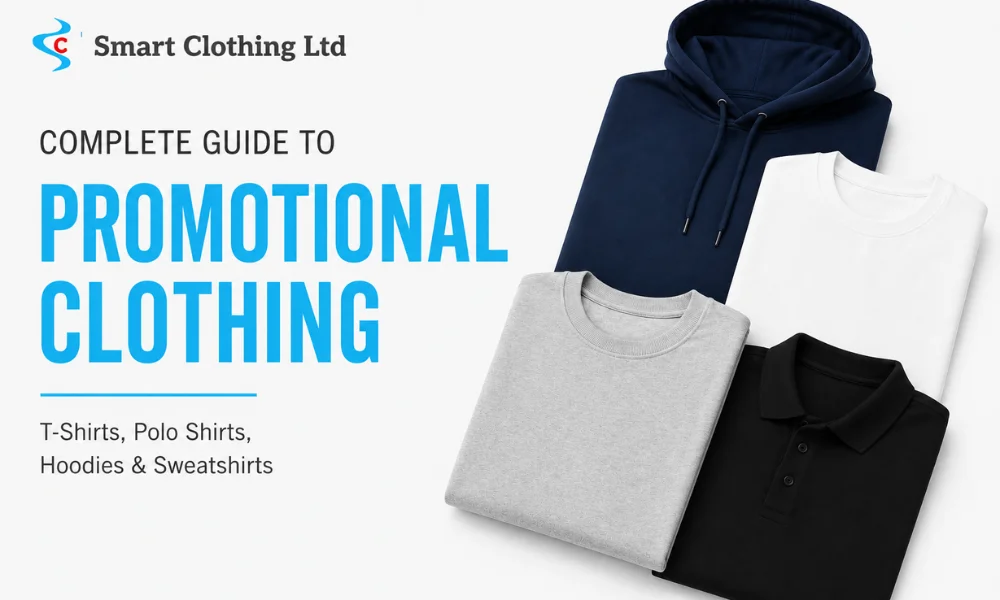
Promotional clothing has evolved far beyond simply printing a company logo on a basic T-shirt. Today, businesses use custom apparel to build brand recognition, create professional team identities, support events, reward customers, launch merchandise collections, and strengthen marketing campaigns.
From lightweight promotional T-shirts to embroidered polo shirts, premium hoodies, and comfortable sweatshirts, each garment serves a different purpose. Choosing the right product means considering much more than appearance. Fabric composition, GSM, sizing, fit, printing technique, embroidery, branding, durability, quantity, and budget all influence the final result.
For brands, importers, wholesalers, corporate buyers, and promotional agencies, understanding these details before placing an order can prevent costly mistakes and lead to better-quality promotional apparel.
What Is Promotional Clothing?
Promotional clothing refers to garments customized with a business name, logo, campaign artwork, organization identity, event design, or other branding elements.
It can include simple giveaway T-shirts as well as premium private-label garments designed to become part of a company’s merchandise collection.
Common promotional garments include:
- T-shirts
- Polo shirts
- Hoodies
- Sweatshirts
- Corporate uniforms
- Sportswear
- Staff clothing
- Event apparel
- Branded merchandise
Businesses can customize promotional clothing through printing, embroidery, custom colors, labels, hangtags, patches, packaging, and other branding techniques.
The ideal promotional garment should do more than display a logo. It should be comfortable enough to wear, appropriate for its intended purpose, and consistent with the image of the brand behind it.
Promotional Clothing Manufacturer = a garment manufacturer that produces customized branded clothing for businesses, brands, agencies, events, and organizations.
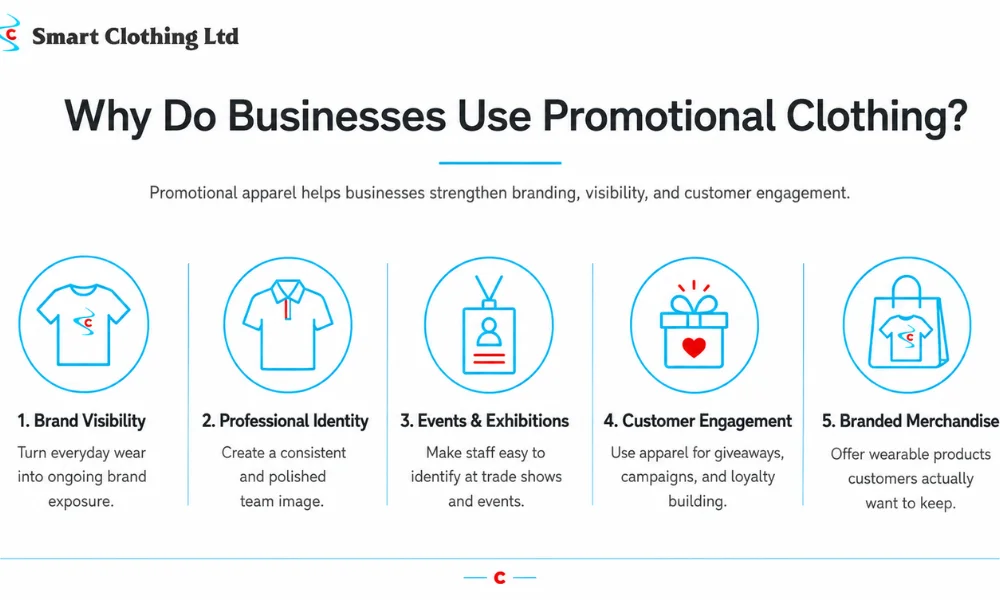
Why Do Businesses Use Promotional Clothing?
Promotional apparel can support several business and marketing objectives at the same time.
Brand Visibility
Every time someone wears a branded T-shirt, polo, hoodie, or sweatshirt, the brand gains additional visibility.
Unlike some short-lived marketing materials, useful clothing can continue representing a business long after an event or campaign has finished.
Professional Corporate Identity
Branded clothing helps create a consistent appearance among employees, sales teams, event staff, retail workers, and representatives.
A well-made embroidered polo shirt, for example, can create a very different impression from a low-quality promotional T-shirt.
Events and Exhibitions
Promotional apparel is widely used during:
- Trade fairs
- Conferences
- Exhibitions
- Corporate events
- Product launches
- Sports events
- Festivals
- University programs
- Charity campaigns
Matching clothing also makes employees or representatives easier to identify during busy events.
Customer Engagement
Companies often use custom garments as promotional gifts, competition prizes, loyalty rewards, or campaign giveaways.
Branded Merchandise
Brands increasingly treat promotional clothing as merchandise rather than disposable advertising.
A well-designed heavyweight T-shirt, hoodie, or sweatshirt may be something customers actually want to wear regularly.
The Most Popular Types of Promotional Clothing
Although promotional apparel covers many categories, four garments remain especially versatile for B2B buyers: T-shirts, polo shirts, hoodies, and sweatshirts.
1. Promotional T-Shirts
Promotional T-shirts are one of the most flexible options available.
They can be designed for mass campaigns or developed as premium branded merchandise depending on the fabric, fit, construction, and branding.
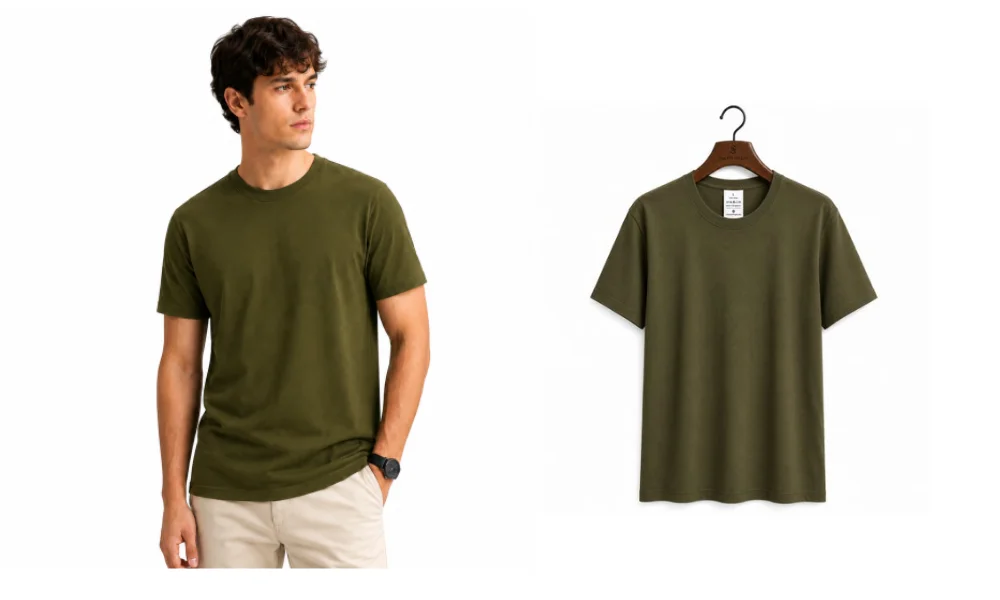
Common styles include:
- Crew-neck T-shirts
- V-neck T-shirts
- Short-sleeve T-shirts
- Long-sleeve T-shirts
- Oversized T-shirts
- Regular-fit T-shirts
- Men’s T-shirts
- Women’s T-shirts
- Unisex T-shirts
T-shirts work particularly well for:
- Corporate campaigns
- Product launches
- Exhibitions
- Conferences
- Promotional giveaways
- Clubs
- Universities
- Sports events
- Employee programs
- Retail merchandise
Large artwork generally works well with printing, while smaller chest logos may also be embroidered depending on the garment and design.
Best suited for: events, campaigns, giveaways, staff clothing, and branded merchandise.
2. Promotional Polo Shirts
Polo shirts provide a more structured and professional appearance than standard T-shirts while remaining comfortable.
This makes them particularly suitable for corporate and workplace applications.
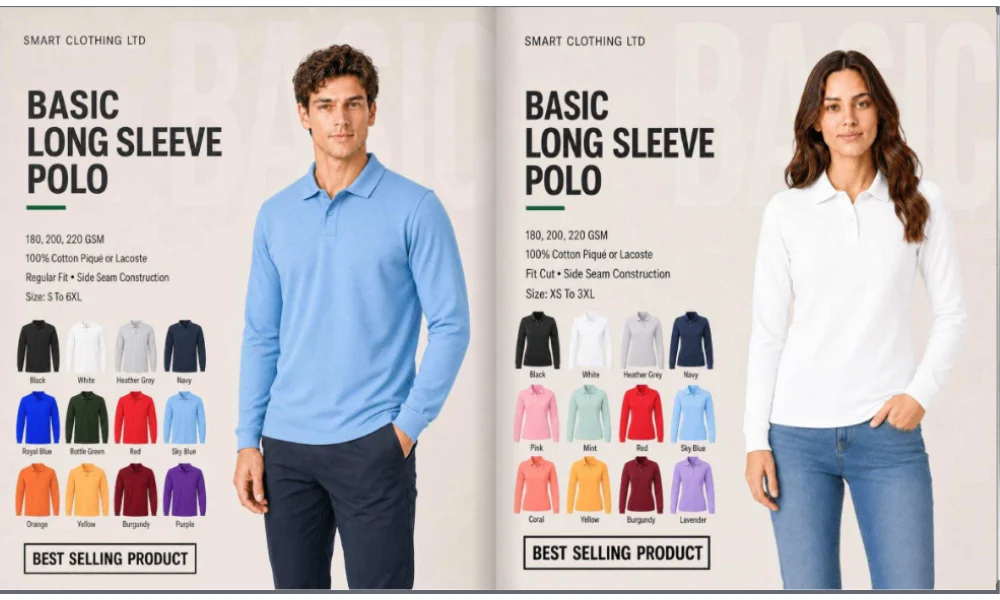
Promotional polo shirts are commonly used for:
- Corporate uniforms
- Sales representatives
- Retail staff
- Hospitality teams
- Exhibition staff
- Sports clubs
- Corporate events
- Promotional campaigns
Common fabric options include piqué, jersey, cotton, polyester, and blended fabrics depending on the required performance and appearance.
Branding can be placed on areas such as:
- Left chest
- Right chest
- Sleeves
- Back
- Collar
- Placket
Embroidery is especially popular for corporate polo shirts because it creates a clean and professional finish.
Best suited for: uniforms, corporate teams, hospitality, retail, exhibitions, and professional promotions.
3. Promotional Hoodies
Hoodies are often selected when a company wants a promotional product with greater perceived value.
They work particularly well for lifestyle-oriented branding and merchandise programs.
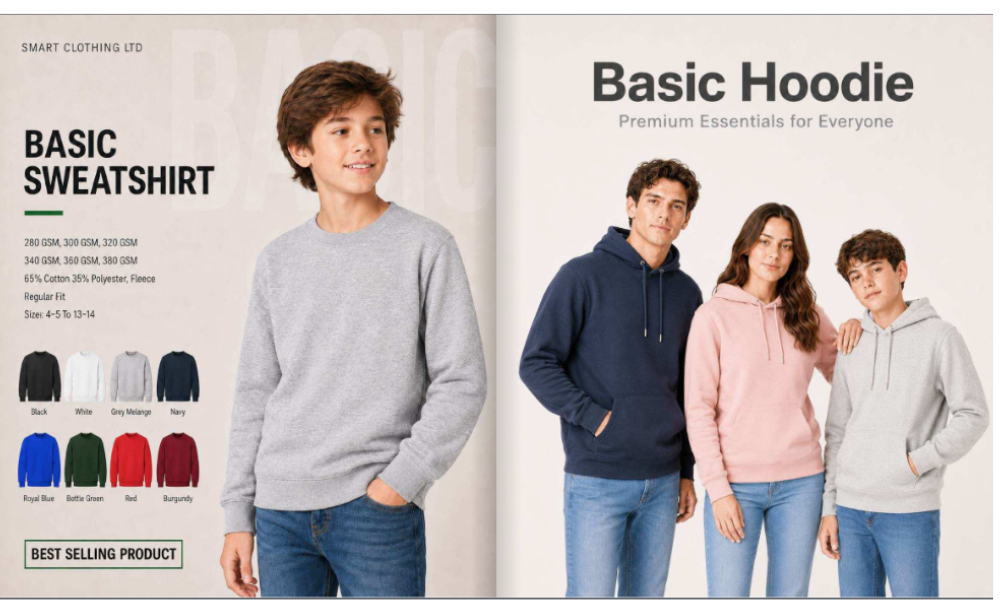
Common hoodie styles include:
- Pullover hoodies
- Full-zip hoodies
- Half-zip hoodies
- Oversized hoodies
- Regular-fit hoodies
- Fleece hoodies
- French terry hoodies
- Printed hoodies
- Embroidered hoodies
Hoodies are popular among:
- Fashion brands
- Universities
- Sports clubs
- Creative agencies
- Technology companies
- Employee programs
- Events
- Merchandise brands
A premium hoodie can carry multiple branding elements including chest embroidery, sleeve printing, woven labels, custom drawcords, neck labels, hangtags, and branded packaging.
Best suited for: premium merchandise, employee gifts, universities, clubs, lifestyle brands, and cooler-weather promotions.
4. Promotional Sweatshirts
Sweatshirts offer many of the benefits of hoodies but without the hood.
Their simpler silhouette makes them suitable for both promotional programs and fashion-led merchandise collections.
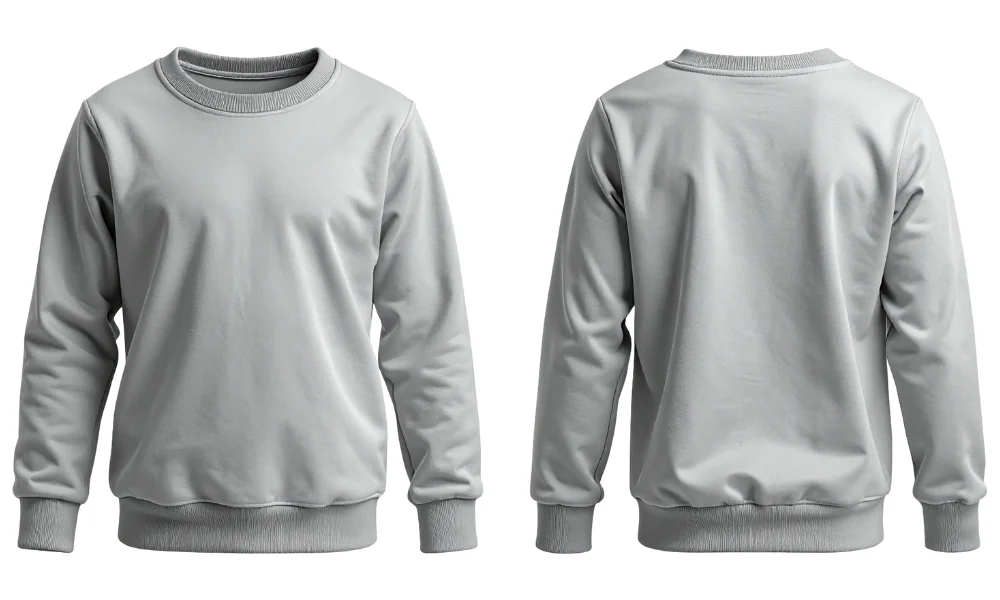
Common options include:
- Crewneck sweatshirts
- Round-neck sweatshirts
- Oversized sweatshirts
- Regular-fit sweatshirts
- Fleece sweatshirts
- French terry sweatshirts
- Printed sweatshirts
- Embroidered sweatshirts
They can be customized with logos, typography, campaign artwork, labels, embroidery, patches, or packaging.
Best suited for: corporate merchandise, clubs, employee programs, seasonal campaigns, and branded collections.
5. Promotional Sweatpants
Promotional sweatpants are a practical option for companies, brands, events, and organizations looking for comfortable branded apparel.
They can be produced in different fabrics, weights, fits, and colors depending on the purpose of the campaign. Custom branding can also be added through printing, embroidery, labels, and other finishing options.
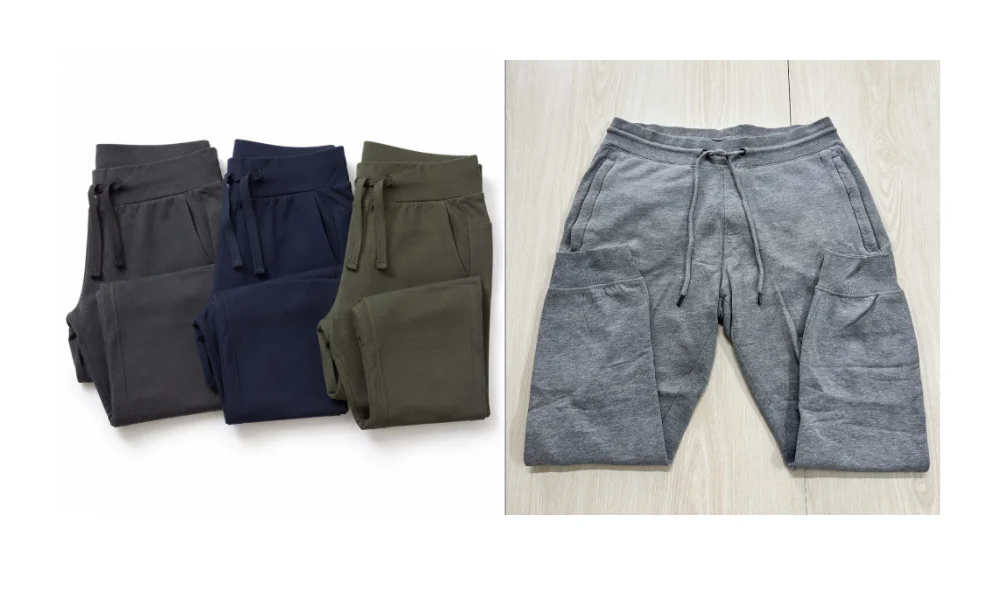
Common styles include:
- Classic sweatpants
- Fleece sweatpants
- Cuffed sweatpants
- Open-bottom sweatpants
- Relaxed-fit sweatpants
- Oversized sweatpants
- Men’s sweatpants
- Women’s sweatpants
- Unisex sweatpants
Sweatpants work particularly well for:
- Sports events
- Fitness campaigns
- Corporate programs
- University events
- Clubs and communities
- Promotional giveaways
- Staff clothing
- Lifestyle merchandise
Different fabric weights can be selected depending on the season and intended use, while branding can be customized to match the campaign or company identity.
Best suited for: sportswear, events, employee programs, promotional campaigns, and branded merchandise.
7. Zip Long Hoodie
Zip long hoodies offer a versatile option for brands and organizations looking for comfortable promotional outerwear with more coverage than a standard hoodie.
They can be customized according to the desired fabric, length, fit, color, zipper construction, and branding requirements. Printing, embroidery, custom labels, and other details can be incorporated to create a distinctive branded garment.
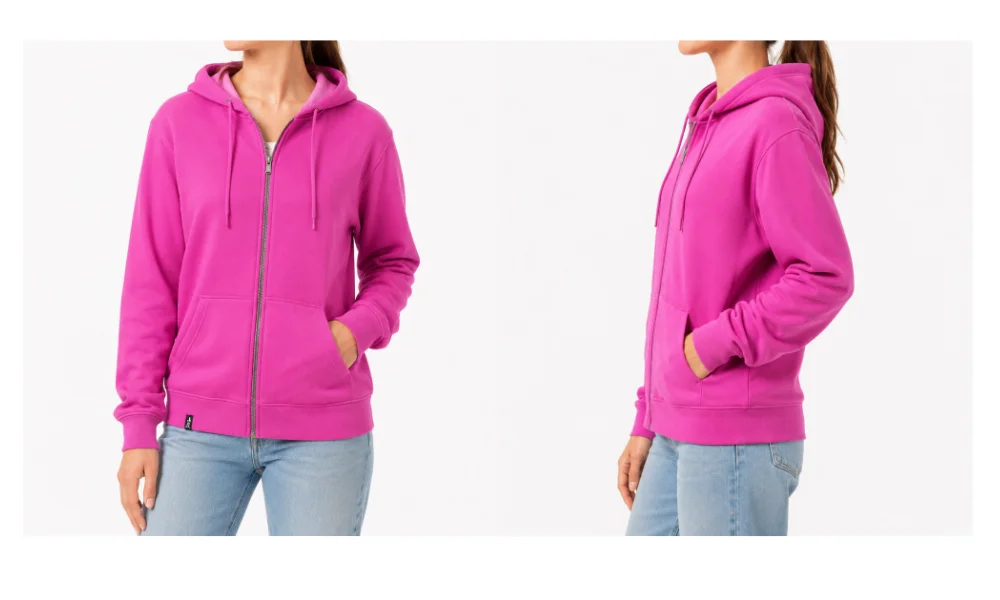
Common styles include:
- Full-zip long hoodies
- Oversized long hoodies
- Fleece long hoodies
- Cotton long hoodies
- Relaxed-fit long hoodies
- Hooded zip jackets
- Men’s long hoodies
- Women’s long hoodies
- Unisex long hoodies
Long zip hoodies work particularly well for:
- Fashion brands
- Promotional campaigns
- Sports events
- Music events
- Clubs
- University programs
- Outdoor activities
- Employee clothing
- Branded merchandise
Fabric weight and construction can be selected based on the required warmth, comfort, durability, and overall product positioning.
Best suited for: fashion merchandise, outdoor campaigns, events, teamwear, staff clothing, and premium promotional apparel.
8. Cotton Pique Raglan Polo Shirt
Cotton pique raglan polo shirts offer a more distinctive take on traditional promotional polos, combining the familiar pique fabric with a raglan-style construction.
They can be developed in different colors, GSM levels, fits, and branding options depending on the intended use. Custom logos, embroidery, printed details, labels, and other finishing options can be added to create professional branded apparel.
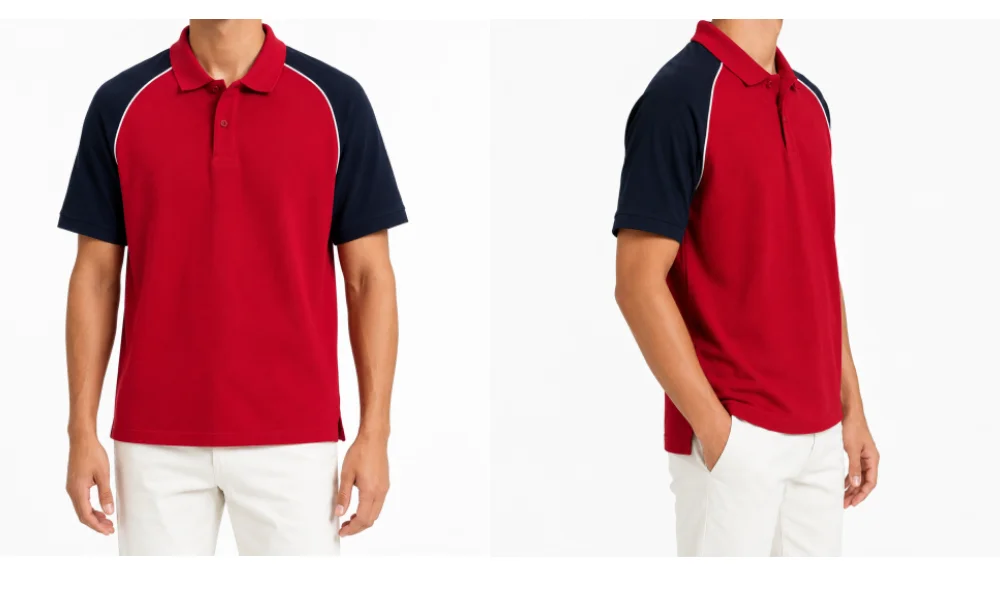
Common styles include:
- Short-sleeve raglan polo shirts
- Long-sleeve raglan polo shirts
- Regular-fit polo shirts
- Slim-fit polo shirts
- Relaxed-fit polo shirts
- Two-tone polo shirts
- Custom-color polo shirts
- Men’s polo shirts
- Women’s polo shirts
- Unisex polo shirts
Raglan polo shirts work particularly well for:
- Corporate uniforms
- Company events
- Sports clubs
- Hospitality teams
- Retail merchandise
- Promotional campaigns
- Employee programs
- Exhibitions
- Branded workwear
Cotton pique fabric provides a structured appearance while allowing customization based on the brand’s quality, design, and budget requirements.
Best suited for: corporate clothing, uniforms, promotional campaigns, hospitality, sports clubs, and branded merchandise.
T-Shirt vs. Polo Shirt vs. Hoodie vs. Sweatshirt: Which Should You Choose?
Choosing the right garment depends on your target audience, campaign, budget, climate, and desired brand positioning.
| Product | Best For | Popular Branding | Style |
| T-Shirt | Events, campaigns, giveaways | Printing & embroidery | Casual |
| Polo Shirt | Corporate teams & uniforms | Embroidery & printing | Smart casual |
| Hoodie | Merchandise & premium promotions | Printing & embroidery | Premium casual |
| Sweatshirt | Teams & seasonal merchandise | Printing & embroidery | Casual/premium |
For a large one-day event, a promotional T-shirt may be the most practical solution.
For sales staff or a corporate exhibition, polo shirts may better represent the company.
For merchandise or employee gifts, hoodies and sweatshirts can provide a more premium experience.
How to Choose the Right Fabric for Promotional Clothing
Fabric selection has a major influence on how promotional clothing feels, performs, and looks.
Cotton
Cotton is widely used for T-shirts because of its comfortable and breathable characteristics.
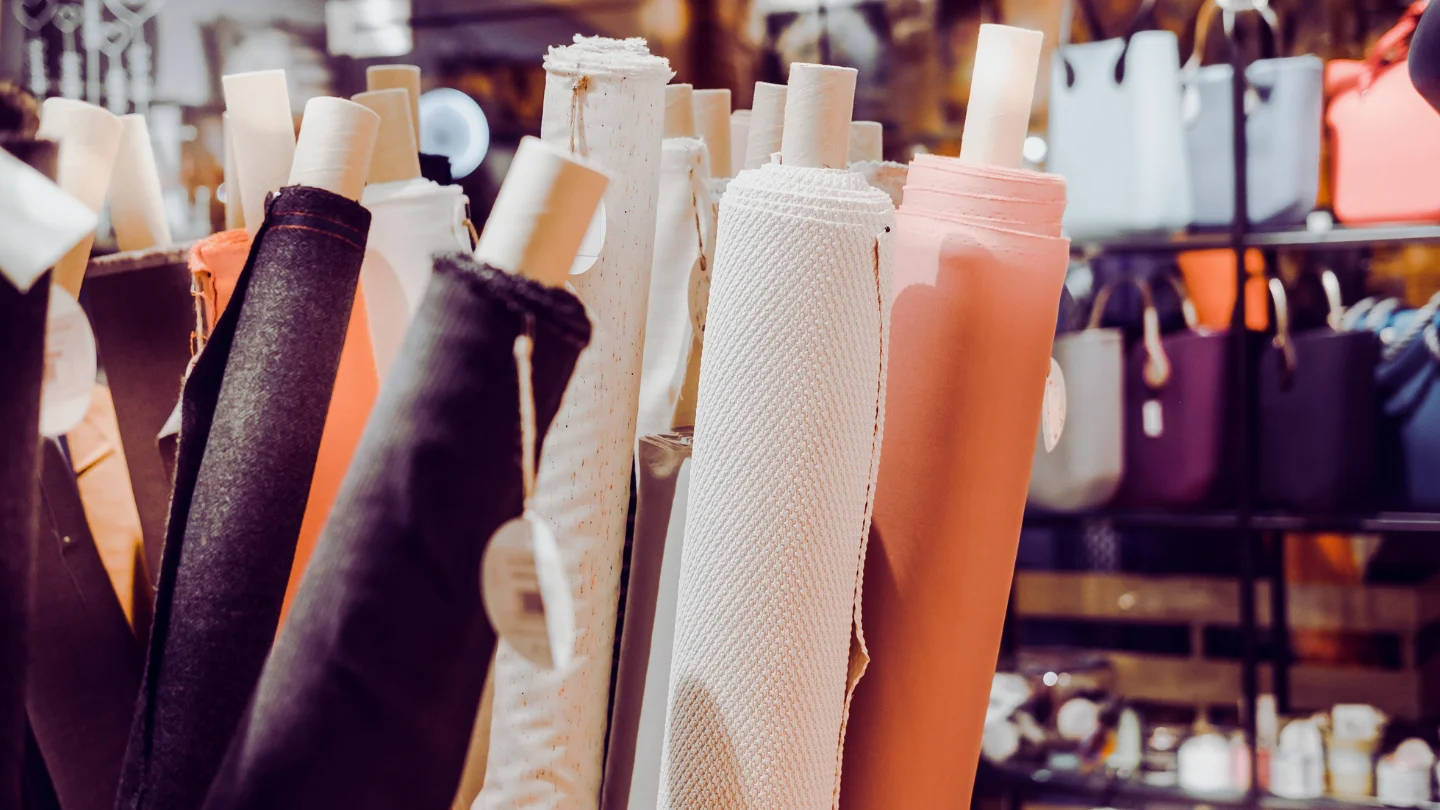
It can work well for:
- Promotional T-shirts
- Merchandise
- Corporate casual clothing
- Event apparel
Different yarns, knitting constructions, weights, and finishes can produce very different results even when garments are all described as cotton.
Cotton-Polyester Blends
Blended fabrics combine characteristics of cotton and polyester.
Depending on their composition, they may offer advantages such as:
- Improved durability
- Easier care
- Better dimensional stability
- Reduced creasing
- Faster drying
They can be useful for uniforms and promotional garments intended for frequent use.
Polyester
Polyester is commonly considered for performance-oriented or sports applications.
The exact suitability depends on the construction and finishing of the fabric.
Piqué
Piqué fabric is strongly associated with polo shirts because of its characteristic textured surface.
It creates a more structured appearance and is widely used for corporate clothing.
French Terry
French terry is often used for:
- Lightweight hoodies
- Sweatshirts
- Casual promotional apparel
It can provide warmth while remaining relatively versatile.
Fleece
Fleece fabrics are generally selected when buyers want a warmer and heavier hoodie or sweatshirt.
They are particularly suitable for winter clothing and premium merchandise programs.
What Does GSM Mean in Promotional Clothing?
Buyers often see the term GSM when requesting garment quotations.
GSM means grams per square metre. It is a measurement of fabric weight.
In simple terms, lower GSM generally indicates a lighter fabric, while higher GSM generally indicates a heavier fabric.
However, GSM alone does not determine quality.
Two fabrics with the same GSM can feel completely different because quality also depends on factors such as:
- Fiber composition
- Yarn quality
- Knitting structure
- Fabric finishing
- Density
- Washing treatment
- Garment construction
Therefore, buyers should select GSM according to the intended application instead of automatically choosing the heaviest fabric.
A lightweight T-shirt may be ideal for a summer campaign, while heavier fabric may suit premium merchandise.
Printing and Branding Methods for Promotional Clothing
Branding technique has a major influence on both appearance and cost.
Screen Printing
Screen printing is widely used for promotional clothing, particularly for larger quantities.
It works well for:
- Company logos
- Event graphics
- Campaign artwork
- Typography
- Large designs
It can be an efficient option when producing repeated artwork across bulk quantities.
Embroidery
Embroidery creates branding by stitching the design directly into the garment.
It is especially popular for:
- Polo shirts
- Hoodies
- Sweatshirts
- Corporate uniforms
Embroidery can provide a premium and professional appearance, particularly for smaller logos.
Heat Transfer
Heat-transfer techniques can be suitable for:
- Names
- Numbers
- Logos
- Detailed artwork
- Customized designs
The ideal method depends on the artwork, fabric, garment type, and quantity.
Digital and DTF Printing
Digital printing technologies can provide flexibility for detailed and multicolored designs.
Availability and suitability should be discussed with the manufacturer based on the garment and artwork.
Patches and Appliqué
Patches, badges, and appliqué can create a more distinctive appearance for premium promotional garments.
These techniques are often seen on:
- Hoodies
- Sweatshirts
- Jackets
- Fashion merchandise
What Can Be Customized with Smart Clothing Ltd.?
At Smart Clothing Ltd., promotional apparel can be customized far beyond simply adding a logo. Depending on your product, target market, branding requirements, and budget, we can customize every important detail of your garments.
Fabric
Choose the most suitable fabric based on comfort, performance, season, product type, and target price.
GSM
Select the appropriate fabric weight according to your product requirements, climate, comfort level, and intended use.
Color
Garment colors can be customized to match your brand identity, campaign theme, or approved color specifications.
Size Range
We can manufacture garments in different size ranges according to your target market and customer requirements.
Fit
Different fit options can be developed depending on your product concept, including:
- Regular fit
- Slim fit
- Relaxed fit
- Oversized fit
- Men’s fit
- Women’s fit
- Unisex fit
Printing & Embroidery
Customize your logo, artwork, placement, size, color, and branding technique.
Depending on the garment and design, printing, embroidery, and other suitable branding methods can be applied.
Custom Labels
Build a stronger brand identity with customized labeling options, including:
- Main labels
- Neck labels
- Size labels
- Care labels
- Woven labels
Hangtags
Custom hangtags can be developed with your brand name, logo, product information, or other details to create a more professional retail or private-label presentation.
Packaging
Packaging can also be customized according to buyer requirements, including:
- Individual polybags
- Size stickers
- Product labels
- Carton markings
- Custom packaging solutions
From fabric, GSM, color, and fit to branding, labels, hangtags, and packaging, we help you create promotional clothing that consistently represents your brand from production to final presentation.
Need Custom Promotional Clothing?
Planning custom T-shirts, polo shirts, hoodies, or sweatshirts for your company, brand, wholesale program, or promotional campaign?
Smart Clothing Ltd. supports custom promotional apparel development and manufacturing from Bangladesh.
Promotional Clothing vs. Private-Label Clothing
The two concepts are related, but they are not exactly the same.
Promotional clothing is primarily created to promote a company, organization, event, or campaign.
Private-label clothing is manufactured under the buyer’s own clothing brand.
However, promotional garments can also be private labeled.
For example, a company ordering premium promotional hoodies may request:
- Custom neck labels
- Size labels
- Care labels
- Embroidered logos
- Branded hangtags
- Custom packaging
This gives the garment a more complete branded identity rather than simply adding a logo to an existing blank product.
How to Choose Promotional Clothing for Different Purposes
Different promotional activities require different garments. The right choice depends on who will wear the product, where it will be used, and how the company wants the brand to be presented.
Corporate Events
T-shirts and polo shirts work well because they are easy to identify, comfortable, and suitable for larger groups.
Employee Uniforms
Polo shirts are particularly popular where businesses require a professional but comfortable uniform.
T-shirts, sweatshirts, and hoodies may also suit more casual workplaces.
Trade Shows and Exhibitions
Branded T-shirts and polo shirts help visitors quickly identify company representatives.
Promotional Giveaways
T-shirts are frequently selected because they can combine strong visual branding with practical use.
Premium Merchandise
For higher-value branded merchandise, companies may consider:
- Heavyweight T-shirts
- Hoodies
- Sweatshirts
- Premium embroidery
- Custom labels
- Branded packaging
Sports Clubs
Depending on the activity, clubs may use T-shirts, polos, sweatshirts, hoodies, or performance-oriented garments.
Universities and Organizations
Hoodies and sweatshirts can be particularly effective because they have strong associations with community identity and merchandise.
What Should You Consider Before Ordering Promotional Clothing?
Before requesting bulk production, clarify the main product specifications.
A useful buyer checklist includes:
- Garment type
- Target audience
- Intended use
- Fabric composition
- GSM
- Fit
- Size range
- Garment colors
- Logo colors
- Printing method
- Embroidery requirements
- Quantity
- Quantity per color
- Labels
- Hangtags
- Packaging
- Target price
- Required delivery date
- Destination country
The more clearly these details are communicated, the easier it becomes for a manufacturer to understand the project and prepare accurate production information.
Understanding MOQ for Promotional Clothing
MOQ means Minimum Order Quantity.
It refers to the minimum quantity a supplier or manufacturer can accept for a particular product or production setup.
MOQ can vary because garment manufacturing involves several processes.
It may depend on:
- Fabric availability
- Fabric color
- Garment style
- Printing method
- Embroidery
- Labels
- Accessories
- Quantity per color
- Quantity per design
- Packaging
For example, a fully customized garment using specially developed fabric and colors may require a different MOQ from a simpler promotional T-shirt using an available material.
Therefore, buyers should provide detailed specifications before requesting an exact MOQ.
Why Sampling Matters Before Bulk Production
Sampling is one of the most important stages before bulk production.
A sample gives the buyer an opportunity to evaluate the actual product before manufacturing the full quantity.
A typical process may look like:
Product Idea → Specification Review → Fabric Selection → Sample Development → Buyer Review → Corrections → Approval → Bulk Production
During sample review, buyers should examine:
- Fabric
- Color
- Fit
- Measurements
- Stitching
- Logo size
- Logo positioning
- Printing quality
- Embroidery quality
- Labels
- Overall appearance
Approving these details before production significantly reduces misunderstandings later.
Quality Control for Promotional Clothing
Consistency becomes especially important when producing hundreds or thousands of garments.
Quality control should therefore cover several stages.
Fabric Inspection
Fabric can be reviewed for factors such as:
- Appearance
- Color
- Weight
- Visible defects
Measurement Checking
Garment measurements should be compared with the approved size specifications.
Stitching and Construction
Quality teams can inspect:
- Seams
- Stitching
- Construction
- Alignment
- Workmanship
Printing and Embroidery Inspection
Branding should be checked for:
- Position
- Size
- Color
- Appearance
- Consistency
Finishing
Finished garments may be reviewed for:
- Loose threads
- Stains
- Labels
- Pressing
- General presentation
Final Inspection
Before packing and shipment, finished products should be checked against the confirmed requirements.
Why Source Promotional Clothing from Bangladesh?
Bangladesh has developed a large apparel manufacturing ecosystem serving international clothing markets.
For promotional apparel buyers, this manufacturing environment can provide access to capabilities across areas such as:
- Knitwear production
- Fabric sourcing
- Garment manufacturing
- Printing
- Embroidery
- Accessories
- Labels
- Packaging
- Quality control
- Export-oriented production
However, choosing the right manufacturing partner remains important.
A large manufacturing industry does not automatically mean every supplier is suitable for every project.
Buyers should evaluate the capabilities of an individual manufacturer according to their own product requirements.
How to Choose a Promotional Clothing Manufacturer
Price matters, but it should not be the only factor.
Before selecting a supplier, consider the following.
Product Experience
Does the supplier have experience with the garments you want to produce?
A manufacturer familiar with T-shirts may not necessarily have equal expertise in all categories.
Customization Capability
Confirm whether the manufacturer can handle your:
- Fabric
- GSM
- Colors
- Printing
- Embroidery
- Labels
- Packaging
Sampling Capability
Ask whether samples can be developed before bulk production.
Sampling allows buyers to review the product specifications before committing to the full order.
Quality Control
Understand how product quality is checked during manufacturing.
A clear quality-control process helps reduce inconsistencies during bulk production.
Communication
Clear communication is extremely important in international sourcing.
Technical requirements should be understood accurately before production begins.
Production Capability
Ensure the supplier can manage your required quantity and schedule.
The manufacturer should understand both your product specifications and expected delivery timeline.
Export Experience
For international buyers, experience handling export-oriented production can simplify the process.
Long-Term Reliability
For repeated promotional programs, consistency across future orders can be just as important as the first order.
The cheapest quotation is not always the most cost-effective choice if it results in quality issues, delays, or inconsistent production.
Common Mistakes When Ordering Promotional Clothing
Several problems can be avoided with better preparation.
Choosing Only by Price
Extremely low pricing may require compromises in fabric, construction, branding, or finishing.
Compare overall value rather than unit price alone.
Ignoring GSM and Fabric Composition
Always confirm both instead of simply asking for “good-quality cotton.”
Fabric composition and weight can significantly influence comfort, appearance, and performance.
Choosing the Wrong Branding Method
Detailed artwork designed for printing may not translate effectively into embroidery.
Similarly, certain fabrics may require specific printing techniques.
Skipping Sample Approval
Bulk manufacturing without reviewing a sample can create avoidable risks.
Sample approval helps ensure the buyer and manufacturer have the same understanding of the product.
Poor Size Planning
Consider the actual audience before determining quantity by size.
The required size distribution may vary significantly between markets and target audiences.
Providing Unclear Logo Specifications
Provide clear artwork, dimensions, positioning, and color information.
This helps reduce inconsistencies during printing or embroidery.
Ignoring Packaging Requirements
Packaging details should be agreed upon before production rather than after garments are completed.
Ordering Too Late
Sampling, approvals, fabric sourcing, production, quality control, packing, and transportation all require time.
For event-specific promotional apparel, begin sourcing well before the event date.
Sustainable Promotional Clothing: What Should Buyers Consider?
Sustainability in promotional clothing is not limited to selecting a particular material.
Buyers can also consider:
- Garment durability
- Useful product design
- Appropriate fabric selection
- Responsible packaging choices
- Avoiding unnecessary accessories
- Longer usable product life
A promotional garment that people actually want to keep and wear can be more valuable than one designed only for short-term distribution.
When specific sustainable materials or certifications are required, buyers should request supporting documentation rather than relying only on marketing terminology.
Frequently Asked Questions
What Is Promotional Clothing?
Promotional clothing is apparel customized with a company logo, brand identity, campaign artwork, event design, or organization branding for marketing, uniforms, merchandise, giveaways, and other promotional purposes.
What Are the Most Popular Promotional Garments?
T-shirts, polo shirts, hoodies, and sweatshirts are among the most widely used options because they can serve different budgets, audiences, seasons, and branding requirements.
Which Fabric Is Best for Promotional T-Shirts?
There is no single best fabric.
Cotton can provide comfort and breathability, while blends and polyester may offer advantages for certain performance or uniform applications.
The correct choice depends on intended use.
What GSM Should I Choose for Promotional Clothing?
The appropriate GSM depends on the garment, climate, target market, positioning, and budget.
Higher GSM means greater fabric weight, but it does not automatically mean higher quality.
Is Printing or Embroidery Better for a Logo?
Printing is often suitable for larger graphics and artwork, while embroidery can provide a premium appearance for smaller logos, particularly on polos, hoodies, and sweatshirts.
The best choice depends on the garment, artwork, fabric, quantity, and desired appearance.
Can Promotional Garments Be Private Labeled?
Yes.
Promotional apparel can include custom neck labels, size labels, care labels, hangtags, packaging, and other private-label elements.
What Is the MOQ for Promotional Clothing?
MOQ depends on the garment, fabric, color, branding, accessories, and overall customization.
Buyers should provide their complete specifications to receive accurate information.
Can I Request a Sample Before Bulk Production?
Yes.
Sampling is commonly used to review fabric, fit, measurement, construction, printing, embroidery, and branding before bulk production.
What Information Should I Provide When Requesting a Quotation?
Ideally, provide:
- Product type
- Reference image or tech pack
- Fabric composition
- GSM
- Quantity
- Colors
- Size range
- Printing or embroidery details
- Labels
- Packaging
- Destination
- Required delivery date
The more complete your request, the more accurately the manufacturer can evaluate the project.
Looking for a Promotional Clothing Manufacturing Partner?
Whether you are planning promotional apparel for a corporate campaign, retail program, exhibition, employee team, branded merchandise collection, or wholesale business, choosing the right manufacturing partner can make the entire process easier.
Since 2013, Smart Clothing Ltd. has been supporting apparel sourcing and manufacturing projects in Bangladesh with a focus on reliable communication, quality, competitive pricing, and timely production.
We can support customized:
T-Shirts • Polo Shirts • Hoodies • Sweatshirts • Promotional Apparel
From fabric selection and sampling to customization, printing, embroidery, quality control, packaging, and bulk production, our team works closely with buyers to understand their individual requirements.
Have a Promotional Clothing Project?
Send us your:
Design / Reference Image + Quantity + Fabric + GSM + Branding Requirements + Destination
and let our team review your project.
Explore Our Promotional Clothing Manufacturing Service →
Less promise, over deliver.
