
Polyester can be good for hot weather, but it depends on the type of polyester and how it is used. Traditional polyester is not the most breathable fabric, which means it can feel warm if you’re spending long hours in direct heat.
However, modern polyester fabrics; especially moisture-wicking, lightweight, or mesh versions, are designed to keep you cool and dry by pulling sweat away from the skin and drying quickly. This makes polyester an excellent choice for activities like sports, running, gym workouts, and outdoor travel.
For relaxed everyday wear in high temperatures, natural fabrics like cotton and linen still feel cooler. The key is to choose breathable weaves, performance fabrics, or polyester blends if you want comfort in hot weather. In the right conditions, polyester can be both practical and comfortable during summer.
Understanding Polyester in Summer Clothing
Polyester is one of the most commonly used fabrics in the global clothing industry, valued for its durability, affordability, and versatility.
You will find it in everything from everyday T-shirts to sportswear and travel clothing. However, when temperatures rise, many people begin to question is whether polyester truly comfortable for hot weather?
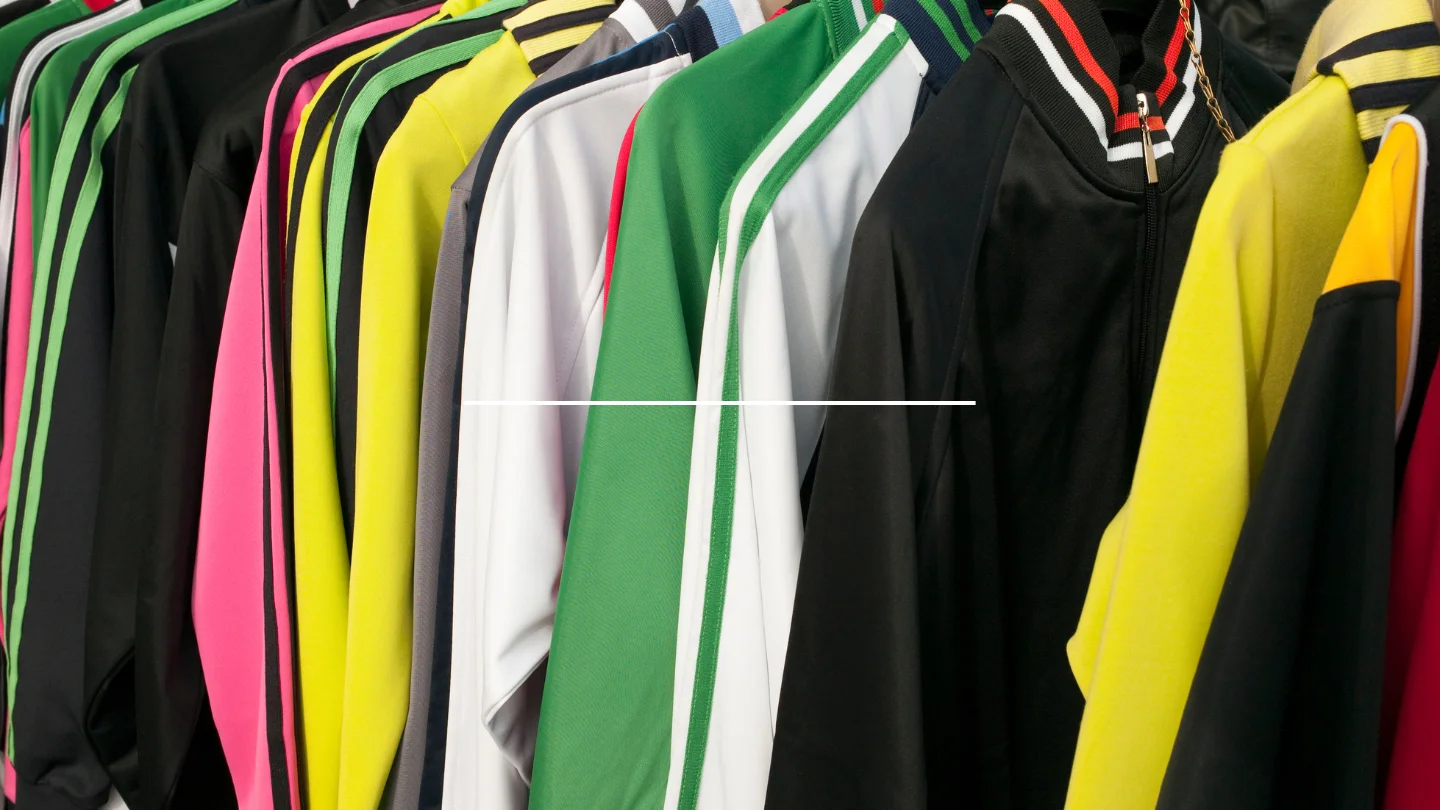
At the same time, modern fabric technology has changed how polyester performs in summer clothing. Today’s polyester fabrics are often designed with moisture-wicking features, lightweight weaves, and enhanced airflow.
Understanding these factors helps set realistic expectations about polyester’s breathability, sweat management, and overall comfort in warm and hot climates.
What Exactly Is Polyester?
Polyester is a synthetic fabric made using petroleum-based materials, most commonly plastic polymers. During production, these materials are melted, spun into fine fibers, and then woven or knitted into fabric. Because the process is controlled, polyester can be made light, thick, soft, or textured depending on its purpose.
You will commonly find polyester in:
- Everyday clothing like T-shirts, shirts, and dresses
- Sportswear and activewear
- Jackets, uniforms, and travel clothing
The fashion industry prefers polyester because it is strong, wrinkle-resistant, and keeps its shape well after repeated washing. It also resists shrinking and color fading, which makes it cost-effective for both brands and consumers. Its ability to blend easily with cotton or other fibers adds to its widespread popularity.
Polyester and Heat Performance
When it comes to hot weather, polyester performs differently than natural fabrics. Traditional polyester fabrics tend to have lower breathability, as their tightly packed fibers limit airflow. This can sometimes cause heat to feel trapped against the skin, unlike cotton or linen, which allow more air circulation.
However, polyester stands out in moisture control:
- It does not absorb sweat like natural fibers
- It pulls moisture away from the skin
- Sweat dries faster, helping you feel less damp
Pros of Wearing Polyester in Hot Weather
Lightweight Feel: Polyester fabrics are often lighter than many natural fibers, which helps reduce the heavy or clingy feeling in hot climates. Lightweight polyester garments feel easier on the body, especially during long hours of wear.
Quick-Drying Nature: One of polyester’s biggest advantages is how fast it dries. Unlike cotton, it does not hold moisture for long, making it ideal for hot and humid environments where sweating is common.
Effective Sweat Management: Polyester fibers are designed to move sweat away from the skin. This moisture-wicking ability helps keep the body feeling dry and prevents clothes from becoming soaked during physical activities.
Wrinkle Resistance: Polyester resists creasing even in warm conditions. This makes it a practical choice for travel or daily wear where ironing may not be convenient.
High Durability: Polyester is strong and long-lasting. It holds its shape, resists stretching, and performs well even after repeated washing in hot climates.
Cons of Polyester for Hot Weather
Limited Airflow: Traditional polyester fabrics are less breathable than natural materials. Reduced airflow can make the fabric feel warm when temperatures rise.
Heat Trapping: Certain polyester weaves, especially thick or tightly woven ones, can trap body heat and increase discomfort in intense summer weather.
Odor Retention: Polyester tends to hold onto odors more than natural fibers. Sweat smells can linger if garments are not washed properly or treated with odor-resistant technology.
Comfort for Sensitive Skin: Some people find polyester irritating during hot conditions, as trapped heat and moisture may cause itching or discomfort.
Not Ideal for All Activities: Polyester may feel uncomfortable during relaxed or prolonged wear in extreme heat if the fabric lacks breathable design features.
Polyester vs Cotton vs Linen (Comparison)
Breathability
- Polyester: Less breathable in traditional weaves, though modern performance polyester offers improved airflow.
- Cotton: Naturally breathable and allows steady air circulation.
- Linen: Highly breathable with an open weave, ideal for extreme heat.
Handling Moisture
- Polyester: Wicks sweat away from the skin and dries quickly.
- Cotton: Absorbs sweat but stays wet longer.
- Linen: Absorbs moisture and dries faster than cotton.
Comfort in Hot Weather
- Polyester: Comfortable for active movement, workouts, and travel.
- Cotton: Soft and comfortable for everyday casual wear.
- Linen: Feels the coolest on the skin in hot climates.
Heat Retention
- Polyester: Can retain heat in thick or tight weaves.
- Cotton: Moderate heat retention.
- Linen: Releases heat quickly, keeping the body cool.
Wrinkle Resistance
- Polyester: Highly wrinkle-resistant.
- Cotton: Wrinkles moderately.
- Linen: Wrinkles easily but adds a natural relaxed look.
Durability
- Polyester: Very durable and long-lasting.
- Cotton: Durable but may shrink over time.
- Linen: Strong fibers but requires careful care.
Best Use in Summer
- Polyester: Activewear, sports, and travel clothing.
- Cotton: Daily wear and indoor use.
- Linen: Outdoor wear and extremely hot weather ☀️
Best Situations to Wear Polyester in Summer
- Sports and Workouts:
Ideal for gym sessions, running, cycling, and outdoor sports because it wicks sweat, dries fast, and stays lightweight. - Outdoor Activities:
Great for hiking, camping, and travel since it resists wrinkles, maintains shape, and handles moisture better than cotton. - Humid or Sweaty Environments:
Works well in places where you sweat easily, as polyester keeps moisture off the skin. - Travel Clothing:
Perfect for long trips or busy schedules because it is easy to pack, doesn’t crease, and dries quickly after washing. - Performance Wear:
Best used in modern athletic or “tech” fabrics designed with breathable mesh or microfibers for extra airflow. - Polyester Blends:
When mixed with cotton, viscose, or spandex, it becomes more breathable and comfortable for hot weather.
How to Choose Breathable Polyester for Hot Weather
Choosing the right type of polyester can make a big difference in how comfortable you feel during hot weather.
Always look for lightweight or mesh-style polyester fabrics, as these allow more airflow and help reduce heat buildup. Moisture-wicking polyester is another great option because it pulls sweat away from the skin, keeping you dry during active movement.
Blended fabrics, such as polyester mixed with cotton or viscose, offer a good balance of breathability and durability. Avoid thick, heavy, or tightly woven polyester garments because they trap heat and can feel uncomfortable in high temperatures.
Paying attention to fabric labels, weave type, and performance features will help you choose polyester clothing that stays cool and comfortable all summer long.
Final Thoughts
Polyester can be good for hot weather when chosen wisely and worn for the right purpose. It performs best in active situations where sweat management, quick drying, and durability are important, such as workouts, travel, or outdoor activities.
However, for extreme heat or relaxed daily wear, natural fabrics like cotton or linen often feel cooler and more breathable. The key is matching the fabric to your activity level and climate. By choosing modern, lightweight polyester or blended fabrics, you can enjoy comfort without overheating.
About Smart Clothing Ltd – Your Trusted Apparel Sourcing Partner
If you’re looking for high-quality summer-friendly garments, Smart Clothing Ltd delivers reliable solutions for global brands.
As a well-established apparel buying house in Bangladesh, we specialize in sourcing and producing breathable, lightweight, and performance-oriented fabrics including polyester, cotton blends, activewear materials, and sustainable options.
With strong supplier networks and strict quality control processes, we ensure every product meets international standards for comfort, durability, and summer usability.
Whether you need moisture-wicking sportswear, travel-friendly polyester blends, or custom-designed summer collections, Smart Clothing Ltd provides fast turnaround, ethical production, and consistent quality for clients worldwide-especially in the European market.
