
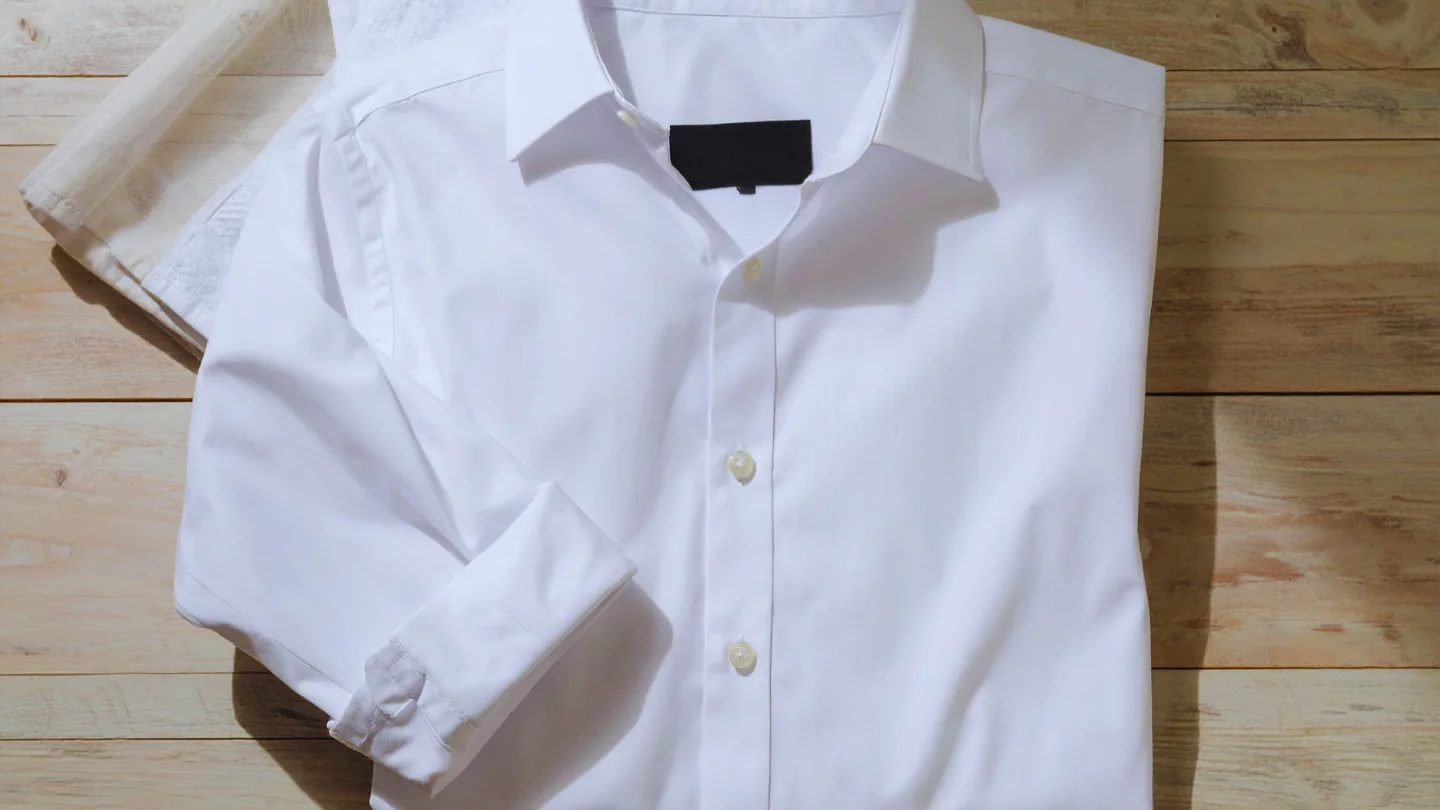
Many consumers today are becoming more curious about why clothing prices vary so much. A common question is why cotton shirts often cost more than shirts made from synthetic fabrics like polyester. At first glance, cotton may seem simple, but its price reflects much more than just the fabric itself.
Factors such as how cotton is grown, processed, and supplied all play a role in the final cost. Quality levels, sustainability efforts, and market demand also influence pricing.
In this blog, we will break down the real reasons behind the higher cost of cotton shirts, helping you understand what you are paying for and whether the price makes sense for your needs.
Cotton Is a Natural and Limited Resource
Cotton is a natural fiber that comes from cotton plants, and its production depends heavily on climate, land, and water availability. Unlike synthetic fibers that can be produced year-round in factories, cotton is grown seasonally and requires suitable weather conditions.
Changes in rainfall, temperature, or soil quality can directly affect crop yields. Because cotton farming takes time and depends on natural factors, supply is limited.
Natural fibers also require more care and labor compared to synthetic materials. When demand for cotton shirts increases but supply remains limited, prices rise. This balance between supply and demand is one of the key reasons cotton clothing often costs more.
The Cost of Growing and Harvesting Cotton
- Cotton farming is a labor-intensive process. Farmers must prepare the land, plant seeds, manage pests, and monitor crops throughout the growing season.
- Cotton requires large amounts of water, land, and time. Growing healthy cotton plants can take several months, and poor weather can increase costs or reduce yields.
- Harvesting can be manual or mechanical. Manual harvesting requires more labor and time, while machines reduce labor but involve high equipment and maintenance costs.
- Farming costs directly affect the final shirt price. When expenses rise at the farm level, manufacturers and retailers pass those costs along, making cotton shirts more expensive for consumers.
Quality Grades of Cotton Matter
- Not all cotton is the same. Cotton comes in different types and quality grades that affect how the fabric feels and performs.
If you are curious about how organic cotton differs from regular cotton in terms of farming, cost, and environmental impact, check out our detailed guide on Organic Cotton vs Regular Cotton.
- Long-staple cotton is more expensive than short-staple cotton. Longer fibers create smoother, stronger, and more durable fabric, while shorter fibers feel rougher and wear out faster.
- Fabric softness and durability increase production costs. Higher-quality cotton needs careful processing and less blending with cheaper fibers.
- Premium cotton shirts are priced higher for a reason. Better raw materials result in longer-lasting, more comfortable shirts that hold their shape and quality over time.
If you are deciding between natural and synthetic fabrics, our comparison of Polyester vs Cotton – Which Is Best for T-Shirts explains comfort, durability, and cost differences.
Processing Cotton into Fabric Takes Time
- Cotton goes through several processing stages before becoming fabric. These include ginning to remove seeds, spinning fibers into yarn, and then weaving or knitting the yarn into fabric.
- Dyeing and finishing add extra time and cost. Fabrics are dyed, treated, and finished to improve color, softness, and durability, which requires skilled labor and careful handling.
- Quality checks and waste control are essential. Manufacturers inspect fabric at each stage to remove defects and reduce waste, which increases production time.
- Energy use and machinery costs raise expenses. Running advanced machines and controlling temperature and humidity adds to the overall cost of cotton fabric.
Ethical and Sustainable Cotton Production Adds Value
- Ethical cotton production focuses on fair wages and safe working conditions. Brands that follow responsible practices invest more in worker welfare and factory safety.
- Organic and eco-friendly cotton requires stricter farming methods. These practices avoid harmful chemicals and protect the environment but produce lower yields and higher costs.
- Certifications and compliance add extra expenses. Meeting international standards involves audits, documentation, and ongoing monitoring.
- Ethical clothing costs more because it values people and the planet. Consumers pay a higher price for transparency, sustainability, and responsible production.
Cotton Shirts Last Longer Than Cheaper Fabrics
One of the biggest reasons cotton shirts cost more is because they last longer. High-quality cotton fibers are naturally strong, which helps the shirt keep its shape and structure even after repeated wear. Unlike many low-cost synthetic fabrics, cotton does not easily pill, stretch out, or feel rough over time.
Cotton also handles washing better. With proper care, it stays breathable and comfortable instead of trapping heat or odors. When you think about how often you can wear a cotton shirt, the price starts to make sense.
A higher upfront cost often means fewer replacements in the long run. This idea is known as “cost per wear,” where a durable shirt ends up being better value over time.
Branding, Design, and Retail Markups
| Factor | How It Affects Cotton Shirt Price |
| Design & Pattern Development | Skilled work goes into creating proper fit, style, and patterns. More complex designs cost more. |
| Marketing & Brand Positioning | Photography, campaigns, and brand image add to the final price. |
| Retail Distribution | Transport, storage, store rent, and staff costs contribute to retail markups. |
| Overall Impact | All these combined mean the price you see includes production, branding, and selling costs. |
Cotton vs Synthetic Fabrics Price Comparison
- Production Method:
- Polyester & blends → factory-made, fast production, cheaper.
- Cotton → grown, harvested, processed naturally → slower, more expensive.
- Comfort & Breathability:
- Cotton → soft, breathable, comfortable for long-term wear.
- Synthetics → less breathable, may trap heat or sweat.
- Durability & Longevity:
- Cotton → lasts longer, maintains shape, better “cost per wear.”
- Synthetics → may wear out or lose softness faster.
- Final Price:
- Cotton shirts cost more due to natural production, comfort, and durability benefits.
Is the Higher Price of Cotton Shirts Worth It?
- Cotton shirts make sense when comfort matters most. They are ideal for daily wear, warm climates, and sensitive skin.
- Quality vs budget is a personal choice. Cotton shirts cost more upfront, but they often last longer and feel better over time.
- Lifestyle plays a big role. If you value breathability, durability, and natural fabrics, cotton is usually worth the price.
- For occasional wear, cheaper fabrics may work. But for regular use, cotton offers better long-term value.
Quick Decision Guide
| If you want | Cotton Shirt |
| Long-lasting wear | ✔ |
| Comfort & breathability | ✔ |
| Lowest upfront cost | ✖ |
