
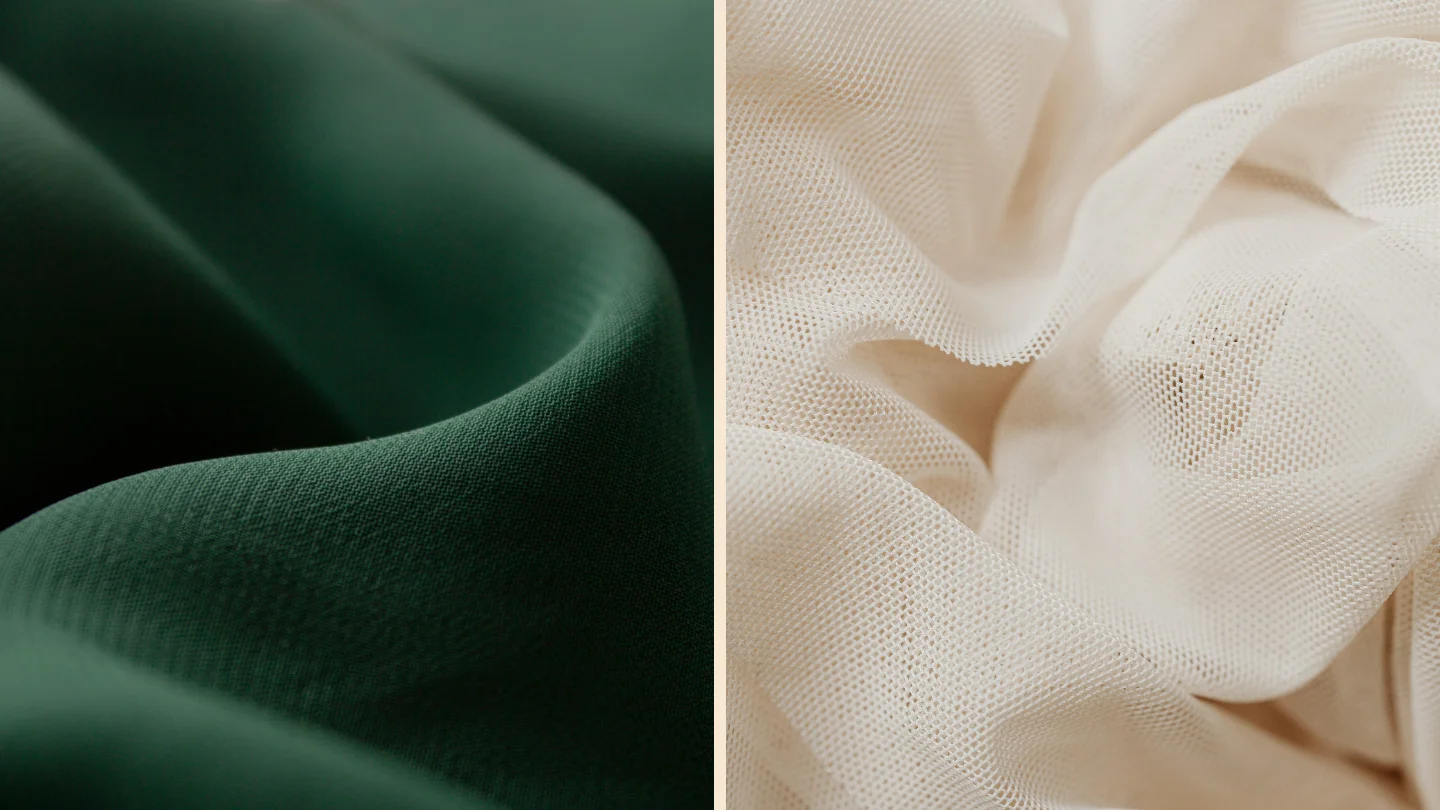
Today, “organic cotton vs regular cotton” is a common topic among conscious shoppers who want to make better decisions for themselves and the planet.
Organic cotton is grown without harmful chemicals, using natural farming practices, while regular cotton is produced using conventional methods that often rely on pesticides and heavy water use. Because of these differences, many people wonder: Is organic cotton better than regular cotton?
Buyers especially want to know which fabric feels more comfortable, which is safer for sensitive skin, and which one has a lower environmental footprint.
And here’s the surprising part – many assume cotton is always eco-friendly, but the truth is, the farming method changes everything. Let’s dive in and explore why.
What Is Organic Cotton?
Organic cotton is grown using natural methods that protect the soil, farmers, and environment.
Key highlights:
- No synthetic pesticides or toxic chemicals
- Non-GMO seeds only
- Eco-friendly farming like crop rotation & natural pest control
- Often comes with GOTS or OEKO-TEX certifications
- Results in softer, stronger, more breathable fibers
What Is Regular Cotton?
Regular cotton is produced through conventional farming focused on high yield.
Common practices include:
- Chemical fertilizers & pesticides
- Genetically modified seeds
- Heavy water usage
- Faster, cheaper production methods
How Does This Impact the Fabric?
- Organic cotton: feels purer, gentler on skin, and usually lasts longer
- Regular cotton: affordable and widely available but may feel slightly rougher due to chemical exposure
Understanding these organic cotton advantages and disadvantages helps buyers choose what matches their budget, comfort level, and sustainability goals.
Organic Cotton vs Regular Cotton: Quick Comparison Table
| Feature | Organic Cotton | Regular Cotton |
| Farming Method | Grown without pesticides, chemicals, or GMOs | Uses chemical fertilizers, pesticides, and often GMO seeds |
| Environmental Impact | Low impact; protects soil, water, and biodiversity | Higher pollution; soil degradation and heavy water usage |
| Skin Safety | Hypoallergenic, gentle, ideal for sensitive skin | May contain chemical residues that irritate skin |
| Fabric Quality | Softer, stronger, more breathable | Good quality but can feel rougher due to chemical treatments |
| Certifications | Often GOTS, OEKO-TEX, Fair Trade | Usually not certified unless specified |
| Cost | Higher price due to eco-friendly farming | More affordable and widely available |
| Durability | Long-lasting; fibers remain strong | Decent durability but may wear out faster |
| Best For | Eco-conscious buyers, babies, sensitive skin, premium products | Everyday affordable clothing |
Key Differences: Organic Cotton vs Regular Cotton
1. Farming Methods
- Organic Cotton: Grown without synthetic pesticides, fertilizers, or GMOs. Uses natural farming methods like crop rotation.
- Regular Cotton: Commonly grown using chemical fertilizers, pesticides, and genetically modified seeds for higher yield.
2. Environmental Impact
- Organic: Lower environmental footprint, protects soil health, reduces pollution, and supports biodiversity.
- Regular: Chemical-heavy farming can harm soil, water bodies, and local ecosystems.
3. Water Usage
- Organic: Typically uses less water because it relies more on rainwater and healthier soil that retains moisture better.
- Regular: Requires significantly more irrigation, making it more water-intensive.
4. Chemical Use
- Organic: Zero synthetic chemicals; safer for farmers, the environment, and consumers.
- Regular: Uses pesticides and fertilizers that may leave residue on the final fabric.
5. Skin Sensitivity & Hypoallergenic Properties
- Organic: Hypoallergenic, gentle on sensitive skin, safer for babies and people with allergies.
- Regular: Chemical residues can sometimes irritate sensitive skin.
6. Softness & Fabric Feel
- Organic: Generally softer and more breathable due to cleaner fibers and chemical-free processing.
- Regular: Texture varies; may feel slightly less soft depending on processing and finishing.
7. Cost & Availability
- Organic: More expensive due to eco-friendly farming and certification requirements, sometimes less widely available.
- Regular: Cheaper and easily available everywhere because it’s mass-produced.
8. Durability
- Organic: Strong and durable because fibers are not weakened by chemicals.
- Regular: Also durable, but heavy chemical use during farming and processing can sometimes weaken fibers.
Benefits of Organic Cotton
Organic cotton is loved by brands and consumers for many strong reasons. Some of the key benefits include:
1. No Harmful Chemicals
- Grown without pesticides, synthetic fertilizers, or GMOs.
- Safer for your skin, making it ideal for sensitive or allergy-prone users.
2. Naturally Softer & Gentler
- Chemical-free fibers feel smoother and more breathable.
- Fabrics stay soft even after multiple washes.
3. Better for the Environment
- Uses natural farming methods that keep soil healthy.
- Reduces water pollution and protects biodiversity.
- Supports long-term environmental sustainability.
4. Safer for Farmers
- Farmers are not exposed to toxic chemicals.
- Better soil and ecosystem health improve crop stability over time.
5. Ethical & Transparent
- Often comes with certifications like GOTS or Fair Trade, ensuring responsible production.
Disadvantages of Organic Cotton
Organic cotton is beneficial, but it also has some limitations:
1. Higher Cost
- Manual farming, certification, and natural methods increase production costs.
- Leads to higher retail prices.
2. Lower Crop Yield
- Without chemical boosters, farmers produce less cotton per acre.
- Requires more land to grow the same amount.
3. Limited Availability
- Not as widely produced as regular cotton.
- Can be harder to source in some regions.
4. Slower Production
- Natural farming takes more time, leading to slower supply cycles.
Benefits of Regular Cotton
Regular cotton continues to dominate the global market because of its advantages:
1. Affordable
- Cost-effective for both brands and consumers.
- Perfect for everyday, budget-friendly clothing.
2. Widely Available
- Grown and supplied worldwide.
- Easy to find in all types of garments and home textiles.
3. Versatile for Mass Production
- Works well for large-scale manufacturing.
- Supports consistent quality, fast output, and varied designs.
4. Strong & Durable
- When well processed, cotton fibers are long-lasting.
- Handles frequent use and repeated washing.
5. Comfortable for Daily Wear
- Soft, breathable, and suitable for almost all climates.
Is Organic Cotton Better Than Regular Cotton?
Whether organic cotton is better than regular cotton depends on what you are looking for. For people with sensitive skin, allergies, or eczema, organic cotton is usually the safer choice because it is grown without harsh chemicals.
It feels softer, gentler, and more skin friendly. From a sustainability point of view, organic cotton clearly wins. It uses natural farming methods, supports healthier soil, reduces water pollution, and creates a lower environmental footprint.
However, regular cotton still has strong advantages. It is more affordable, widely available, and perfectly comfortable for everyday wear.
If you are buying clothes for daily use, bulk uniforms, or budget friendly collections, regular cotton does the job well. It also offers durability and versatility for large scale production.
Choose organic cotton when:
- You want a skin safe, chemical free fabric
- Sustainability and eco friendly choices matter to you
- You prefer softer, premium feeling garments
Choose regular cotton when:
- You need affordable, mass produced clothing
- Availability and budget are priority
- You want durable everyday wear at a lower price
Cost Comparison
Organic Cotton vs Regular Cotton: Cost Breakdown
| Factor | Organic Cotton | Regular Cotton |
| Farming Method | Chemical free, natural fertilizers, more manual labor | Chemical fertilizers and pesticides boost fast growth |
| Certification | Requires strict certifications like GOTS | No special certifications required |
| Yield | Lower yield per acre | High yield per acre |
| Market Availability | Limited supply | Widely available |
| Price | Higher | More affordable |
Buyer Recommendations
Organic cotton and regular cotton each have their strengths. Organic cotton is eco-friendly, softer on the skin, and safer for allergy-prone users, but it comes at a higher price and limited availability. Regular cotton is affordable, widely available, and durable, making it ideal for everyday wear and bulk production.
Buyer Recommendations:
- Choose organic cotton when sustainability, skin comfort, and environmental impact are priorities.
- Opt for regular cotton for cost-effective, versatile, and widely available options.
Whenever possible, supporting organic cotton helps promote safer farming practices and a healthier planet.
Smart Clothing Ltd manufactures premium-quality organic and regular cotton apparel for global brands. Explore our sourcing options or contact us today to discuss your next order.
FAQs
What is the difference between organic cotton and regular cotton?
Organic cotton is grown without synthetic pesticides or fertilizers, making it safer for the environment and sensitive skin. Regular cotton is conventionally farmed with chemicals and fertilizers.
Is organic cotton better than regular cotton for the skin?
Yes. Organic cotton is softer, chemical-free, and ideal for people with allergies or sensitive skin.
Why is organic cotton more expensive than regular cotton?
Organic cotton requires natural farming methods, manual labor, and certification processes, which increase production costs.
Can regular cotton be used for sustainable clothing?
Regular cotton is natural, but it uses chemical farming methods. Choosing organic cotton is a better sustainable choice.
Which is more durable: organic cotton or regular cotton?
Regular cotton and cotton blends are slightly more durable due to chemical processing. Organic cotton is strong but may wear faster with heavy use.
Is organic cotton better for the environment?
Yes. Organic cotton reduces pesticide use, protects soil and water, and supports eco-friendly farming practices.
Can both types of cotton be used for T-shirts and everyday clothing?
Absolutely. Both fabrics are suitable for apparel, but organic cotton is preferred for comfort and sustainability, while regular cotton is ideal for affordability and mass production.
