
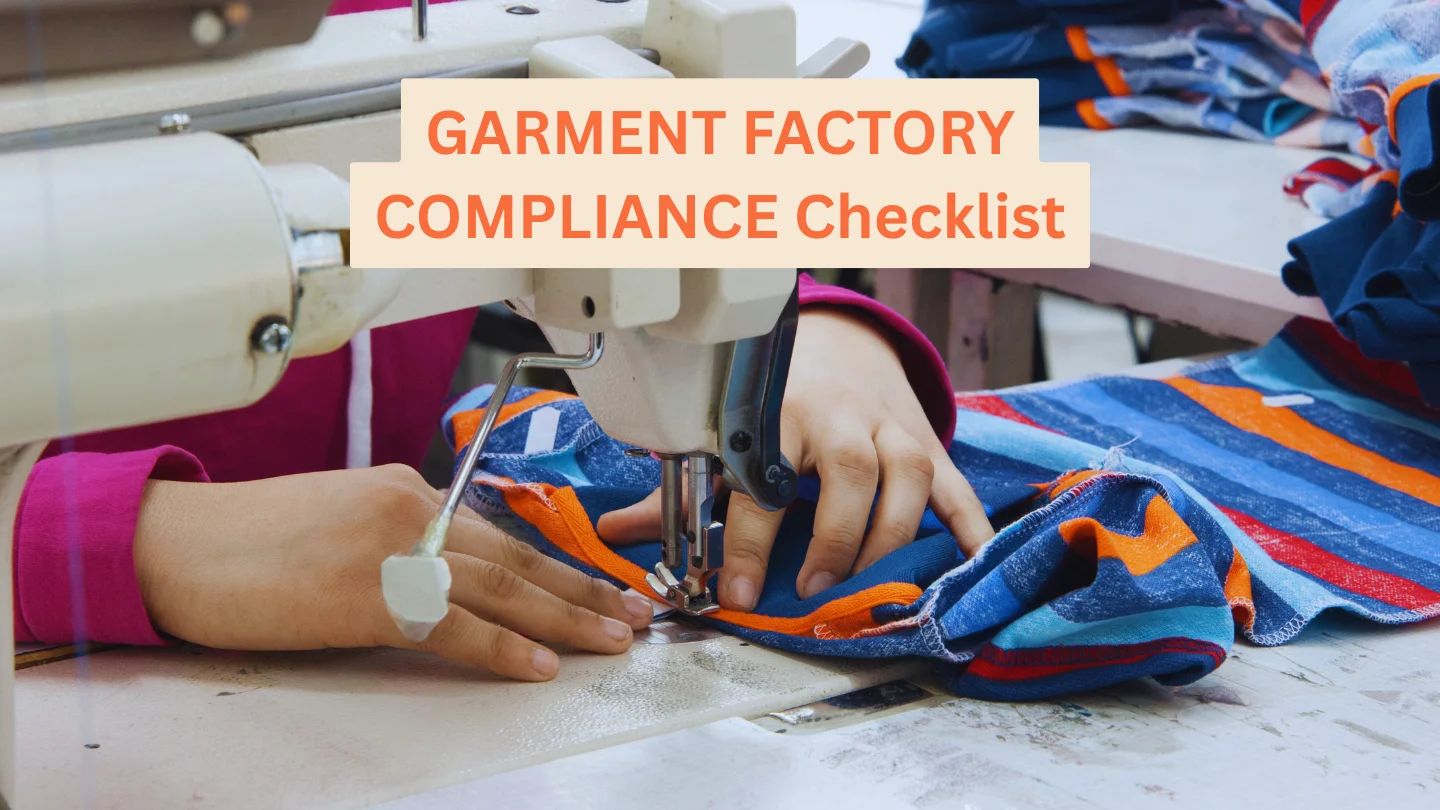
The global apparel industry operates under increasing scrutiny. Fashion brands, retailers, and importers face mounting pressure from consumers, regulators, and advocacy groups to ensure their manufacturing partners meet rigorous compliance standards. For any clothing manufacturer in Bangladesh or worldwide, compliance is no longer optional—it’s the baseline for doing business in 2026.
This comprehensive guide breaks down what compliance means in modern apparel manufacturing, the key areas auditors examine, and why certified operations build lasting brand trust.
What Compliance Means in Apparel Manufacturing
Garment factory compliance refers to adherence to legal, ethical, environmental, and safety standards throughout the manufacturing process. It encompasses everything from worker rights and building safety to chemical management and environmental impact.
In 2026, compliance extends beyond basic legal requirements. Brands demand transparency, traceability, and continuous improvement. According to the International Labour Organization, approximately 60-70 million workers globally depend on the apparel industry for employment, making ethical manufacturing a critical human rights issue.
Why Compliance Matters More Than Ever
Several factors drive the heightened focus on compliance:
Consumer Awareness: Modern consumers research brand ethics before purchasing. A 2024 McKinsey study found that 67% of shoppers consider sustainability and ethical manufacturing when choosing clothing brands.
Legal Requirements: The European Union’s Corporate Sustainability Due Diligence Directive (CSDDD) and similar regulations in the US require brands to monitor and report on their supply chain compliance. Non-compliance results in substantial fines and market access restrictions.
Brand Protection: A single compliance violation can devastate brand reputation. Social media amplifies factory incidents within hours, leading to consumer boycotts and investor pressure.
Competitive Advantage: Certified compliant factories access premium buyers who prioritize ethical sourcing. At Smart Clothing Ltd, our compliance certifications enable partnerships with leading European and American brands that require verified ethical manufacturing.
Key Areas of Compliance Audits
Modern compliance audits examine multiple dimensions of factory operations. Understanding these areas helps brands select manufacturing partners and helps factories maintain standards.
Social and Ethical Standards
Social compliance focuses on worker welfare, labor rights, and ethical treatment throughout the supply chain.
Labor Rights and Fair Wages
Compliant factories must demonstrate:
- Payment of legally mandated minimum wages or living wages where applicable
- Transparent payroll systems with documented wage records
- No illegal wage deductions or forced overtime
- Regular, on-time payment without delays
The Fair Labor Association provides comprehensive standards for workplace conduct that many brands reference in their compliance requirements.
Working Hours and Overtime
International standards limit regular working hours to 48 per week with a maximum of 12 hours overtime. Compliant factories:
- Maintain accurate time tracking systems
- Ensure overtime is voluntary and fairly compensated
- Provide mandatory rest days (typically one per seven days)
- Limit continuous work shifts to safe durations
Child Labor and Forced Labor Prevention
Zero tolerance policies apply to:
- Employment of workers below legal minimum age (typically 15-16 years)
- Forced labor, bonded labor, or human trafficking
- Retention of worker identity documents
- Restriction of worker movement or freedom to resign
Factories must verify worker ages through government-issued identification and maintain copies in personnel files. Our hiring practices include rigorous age verification and voluntary employment confirmations.
Freedom of Association
Workers must have the right to:
- Form or join trade unions without retaliation
- Engage in collective bargaining
- Voice concerns through worker committees or representatives
- Access grievance mechanisms for workplace issues
Non-Discrimination and Harassment
Compliant factories enforce policies against:
- Discrimination based on gender, religion, ethnicity, or nationality
- Sexual harassment or abuse
- Verbal or physical abuse by supervisors or management
- Retaliation against workers who report violations
Fire and Safety Compliance
Building safety compliance gained global attention after the 2013 Rana Plaza collapse in Bangladesh, which killed over 1,100 garment workers. Since then, comprehensive safety standards have transformed the industry.
Structural Integrity
Annual inspections must verify:
- Building load capacity matches usage
- No unauthorized construction or building modifications
- Regular structural assessments by qualified engineers
- Documented maintenance and repair records
Fire Safety Systems
Required fire safety measures include:
- Functional fire detection and alarm systems tested monthly
- Adequate fire extinguishers (inspected annually)
- Sprinkler systems where required by local codes
- Clear evacuation routes marked in local languages
- Emergency lighting systems with battery backup
Emergency Exits and Evacuation
Critical requirements:
- Sufficient emergency exits for worker capacity (typically 1 exit per 50 workers)
- Exits must open outward and remain unlocked during working hours
- Clear, obstruction-free evacuation routes
- Illuminated exit signs visible from all work areas
- Regular evacuation drills (minimum quarterly)
Electrical Safety
Electrical systems must meet local codes with:
- Proper wire sizing and circuit protection
- Grounded equipment and GFCI protection where needed
- No temporary or makeshift wiring
- Regular inspections by licensed electricians
- Documented maintenance logs
Machinery Safety
Production equipment requires:
- Safety guards on all moving parts
- Emergency stop buttons within reach
- Regular maintenance schedules followed
- Operator training documented
- Lockout/tagout procedures for maintenance
Environmental Responsibility
Environmental compliance addresses the apparel industry’s significant ecological footprint. Fashion accounts for approximately 10% of global carbon emissions and 20% of industrial water pollution according to the United Nations Environment Programme.
Wastewater Management
Factories with dyeing or washing operations must:
- Operate functional Effluent Treatment Plants (ETP)
- Test wastewater regularly to meet discharge standards
- Maintain pH, temperature, and chemical levels within legal limits
- Document all testing and provide records to authorities
Smart Clothing Ltd’s manufacturing facility operates an advanced ETP system that treats 100% of process water before discharge, meeting both Bangladesh Environmental Conservation Rules and European buyer requirements.
Chemical Management
The apparel industry uses numerous chemicals in dyeing, printing, and finishing. Compliant factories implement:
- ZDHC (Zero Discharge of Hazardous Chemicals) Manufacturing Restricted Substances List compliance
- Proper chemical storage in designated areas with containment
- MSDS (Material Safety Data Sheets) available for all chemicals
- Worker training on chemical handling and PPE use
- Regular testing to ensure products meet buyer chemical restrictions
Solid Waste Management
Responsible waste handling includes:
- Separation of fabric scraps, packaging, and hazardous waste
- Recycling programs for usable materials
- Authorized disposal of hazardous waste through licensed contractors
- Documentation of waste quantities and disposal methods
Energy and Carbon Footprint
Progressive factories track and reduce energy consumption through:
- Energy-efficient lighting (LED systems)
- Optimized HVAC systems
- Solar panel installations where feasible
- Regular equipment maintenance to minimize waste
- Carbon footprint measurement and reporting
Why Compliance Builds Brand Trust
Compliance certification provides tangible business advantages beyond simply meeting legal requirements.
Access to Premium Markets
Major retailers and brands require compliance certification before approving manufacturing partners. Companies like H&M, Zara, Nike, and Target mandate regular third-party audits and won’t source from non-compliant factories.
For OEM clothing manufacturers targeting European or North American markets, certifications are essential entry requirements.
Reduced Legal and Reputational Risk
Compliance protects brands from:
- Lawsuits related to worker safety or environmental damage
- Regulatory fines and penalties
- Negative media coverage and consumer boycotts
- Investor pressure and declining stock value
Improved Operational Efficiency
Compliance-driven improvements often enhance productivity:
- Better lighting and ventilation increase worker focus
- Safety training reduces accidents and downtime
- Efficient chemical and waste management lowers costs
- Systematic processes improve quality control
Worker Retention and Productivity
Ethical treatment and safe conditions lead to:
- Lower worker turnover and reduced recruitment costs
- Higher morale and job satisfaction
- Increased productivity and quality
- Positive word-of-mouth attracting skilled workers
Smart Clothing Ltd’s Certified Operations
At Smart Clothing Ltd, compliance isn’t just about passing audits—it’s embedded in our operational culture. Our certifications and practices demonstrate our commitment to ethical manufacturing.
Our Certifications
WRAP (Worldwide Responsible Accredited Production) We maintain WRAP certification, which verifies compliance with:
- Legal and workplace regulations
- Prohibition of forced and child labor
- Health and safety standards
- Freedom of association and collective bargaining
- No discrimination or harassment
- Environmental protection practices
OEKO-TEX Standard 100 Our products are tested and certified free from harmful substances. This certification assures buyers that our t-shirts, hoodies, and sweatshirts meet strict chemical safety standards.
BSCI (Business Social Compliance Initiative) Our BSCI certification demonstrates adherence to international labor standards and social requirements throughout our supply chain.
ISO 9001 Quality Management This certification verifies our quality management systems ensure consistent product quality and continuous improvement.
Continuous Improvement Programs
Compliance is not static. We implement ongoing initiatives:
Regular Internal Audits Monthly internal audits identify potential issues before external audits, allowing proactive correction.
Worker Training Programs
- Quarterly safety training for all production staff
- Supervisor training on ethical management practices
- Emergency response drills every three months
- Chemical handling certification for relevant workers
Grievance Mechanisms Workers access multiple channels to report concerns:
- Anonymous suggestion boxes checked weekly
- Worker committee representatives elected by staff
- Direct access to management during scheduled office hours
- Third-party hotline for sensitive issues
Supplier Audits We audit our fabric and trim suppliers to ensure compliance extends throughout our supply chain. Our work process includes supplier evaluation as a standard practice.
Transparency and Documentation
We provide buyers with:
- Full audit reports from third-party assessors
- Corrective action plans for any identified issues
- Progress updates on ongoing improvements
- Chemical test reports for products
- Certification documents upon request
Compliance Checklist for Brands Evaluating Manufacturers
When selecting manufacturing partners, brands should verify:
Documentation Review
- Current compliance certifications (WRAP, BSCI, SA8000, etc.)
- Recent third-party audit reports (within 12 months)
- Business licenses and legal registrations
- Insurance coverage for workers and operations
- Environmental permits and testing records
Facility Inspection
- Clean, well-lit, and ventilated work areas
- Adequate emergency exits and evacuation routes
- Functioning fire safety equipment
- Proper chemical storage and handling
- Clean restrooms and drinking water access
- First aid facilities and trained personnel
Worker Interviews
- Workers can freely answer questions without supervision
- Wages and working hours align with stated policies
- Workers understand their rights and grievance procedures
- No evidence of discrimination or harassment
Production Review
- Machinery has proper safety guards
- Personal protective equipment available and used
- Production flow allows safe operations
- Quality control systems in place
Supply Chain Verification
- Subcontracting policies clearly stated and followed
- Fabric and trim suppliers identified
- Chemical management systems for printing/dyeing
- Waste disposal through authorized contractors
Common Compliance Challenges and Solutions
Even well-intentioned factories face compliance challenges. Understanding these helps brands and factories work together toward solutions.
Challenge: Excessive Overtime During Peak Seasons
Peak production periods pressure factories to extend hours beyond legal limits.
Solution: Better production planning, capacity management, and honest communication with buyers about realistic lead times. Brands should provide longer lead times during known peak seasons and avoid last-minute rush orders.
Challenge: Complex Chemical Restrictions
Different buyers have varying restricted substance lists, creating confusion and testing burdens.
Solution: Adopt the most restrictive standards (like ZDHC MRSL) as baseline. Work only with certified chemical suppliers. Maintain updated chemical inventory with MSDS for all substances.
Challenge: Cost of Compliance Upgrades
Safety improvements, waste treatment systems, and certifications require capital investment.
Solution: View compliance as investment, not cost. Calculate long-term benefits: access to better buyers, higher order values, reduced accidents and downtime. Some brands offer compliance improvement funding for strategic suppliers.
Challenge: Keeping Up with Evolving Standards
Regulations and buyer requirements constantly change, requiring ongoing monitoring and adaptation.
Solution: Subscribe to industry updates, join manufacturer associations, maintain relationships with certification bodies, and assign dedicated compliance personnel to track changes.
The Future of Garment Compliance
Compliance requirements will only intensify. Several trends are shaping the future:
Digital Traceability Blockchain and RFID technology will enable complete supply chain transparency from fiber to finished garment. Buyers will demand digital verification of every production stage.
Real-Time Monitoring IoT sensors will track environmental parameters, energy usage, and working conditions continuously, providing real-time compliance data rather than annual snapshots.
Circular Economy Requirements Regulations will increasingly require designs that facilitate recycling, repair, and material recovery at end-of-life. Factories must adapt to circular production models.
Carbon Accounting Carbon footprint disclosure will become mandatory. Factories must measure, report, and reduce greenhouse gas emissions across operations.
Living Wages Pressure grows for factories to pay living wages (sufficient for basic needs plus discretionary income) rather than just minimum wages. Progressive buyers already require wage programs moving toward living wage levels.
Conclusion
Garment factory compliance in 2026 encompasses social responsibility, safety, environmental stewardship, and transparent operations. For factories, compliance unlocks access to global buyers, protects reputation, and improves efficiency. For brands, verified compliance provides assurance that products align with customer values and legal requirements.
At Smart Clothing Ltd, we view compliance as fundamental to our identity as a reliable clothing manufacturer. Our certifications, continuous improvement programs, and transparent operations ensure brands can confidently source apparel products that meet the highest ethical and quality standards.
Whether you’re sourcing polo shirts, baby wear, or sweatpants, compliance certification should be your first requirement. The future belongs to manufacturers who embed ethics and responsibility into every stitch.
Related Articles:
- OEM Apparel Manufacturers in Bangladesh
- EU Compliance Guide for German Apparel Importers
- Reliable Clothing Supplier in Bangladesh
- What is OEKO-TEX?
Ready to source from a certified compliant manufacturer? Contact Smart Clothing Ltd for detailed information about our certifications and capabilities.
