
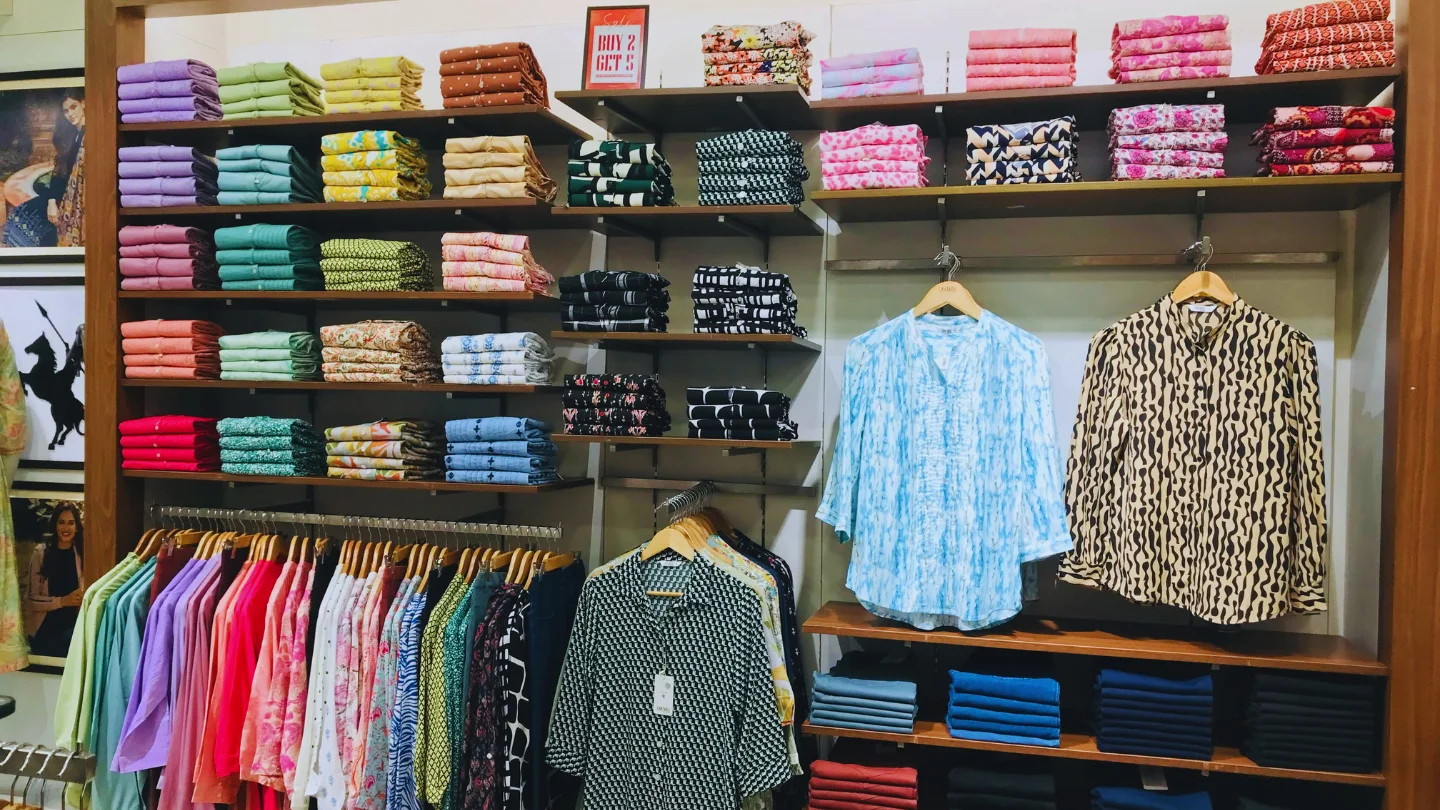
In the complex global apparel supply chain, buying houses serve as critical intermediaries between international brands and manufacturing facilities. Their role extends far beyond simply connecting buyers with factories. Apparel buying houses act as quality gatekeepers, compliance monitors, and trust builders; ensuring that products meet specifications, factories operate ethically, and brands protect their reputations.
For fashion brands sourcing from manufacturing hubs like Bangladesh, China, India, or Vietnam, buying houses provide essential quality assurance, compliance verification, and supply chain management that would be nearly impossible for brands to execute themselves from thousands of miles away.
This comprehensive guide explains why quality assurance is critical in apparel sourcing, details the specific quality control processes buying houses employ, outlines key certifications buyers should demand, and explores how these practices build long-term confidence in international supply chains.
Why Quality Assurance Is Critical
Quality failures in apparel sourcing create consequences far beyond a few defective garments. The stakes are high for brands, making rigorous quality assurance non-negotiable.
Brand Reputation Protection
A single quality failure can devastate brand reputation built over years. Social media amplifies complaints instantly, turning individual problems into public relations crises. Product recalls, negative reviews, and viral criticism cost brands far more than the defective products themselves.
According to research from the American Society for Quality, poor quality costs companies approximately 15-20% of sales revenue through returns, rework, warranties, and lost customers. In fashion, where margins average 50-60%, quality issues directly threaten profitability.
Customer Retention and Loyalty
Quality directly impacts customer loyalty. A positive first purchase experience leads to repeat business, while quality disappointments send customers to competitors. In competitive fashion markets, where switching brands costs nothing, quality consistency is essential for building lasting customer relationships.
Studies show that acquiring new customers costs 5-7 times more than retaining existing customers. Quality assurance protects this investment by ensuring products meet customer expectations consistently.
Regulatory Compliance
Apparel products must meet safety, chemical, and labeling regulations in destination markets. The European Union’s REACH (Registration, Evaluation, Authorization and Restriction of Chemicals) regulations, US CPSIA (Consumer Product Safety Improvement Act) for children’s wear, and similar standards globally impose strict requirements.
Non-compliance results in:
- Products detained at customs
- Market recalls
- Substantial fines
- Legal liability
- Import bans
Buying houses, verify regulatory compliance before shipment, preventing costly customs issues.
Cost Control
Quality problems discovered after production create expensive remediation:
- Remanufacturing defective products
- Air freight for rush replacements
- Missed selling windows requiring markdowns
- Customer refunds and returns processing
Prevention through quality assurance costs far less than correction after the fact. Third-party inspection typically costs $300-500 per order; a tiny fraction of the potential loss from quality failures.
Supply Chain Efficiency
Consistent quality enables efficient supply chain operations. When brands trust manufacturers to deliver specifications correctly, they can:
- Reduce safety stock (inventory buffers for quality problems)
- Improve cash flow through faster order cycles
- Minimize disruption from quality issues
- Build reliable production schedules
For manufacturers like Smart Clothing Ltd, consistent quality performance builds buyer confidence, leading to larger orders and long-term partnerships.
Key Quality Control Processes
Professional buying houses implement multi-stage quality control systems catching defects before they reach consumers.
Pre-Production Inspections
Quality assurance begins before manufacturing starts.
Material Inspection
Fabric and trim quality directly impact finished garment quality. Pre-production material inspection verifies:
Fabric Properties:
- Correct fiber composition through lab testing
- Fabric weight (GSM) matches specifications
- Color matches approved lab dips or standards
- Fabric width meets requirements
- No defects (holes, stains, shade variations)
Trim and Hardware:
- Zippers function smoothly with correct length
- Buttons match approved samples
- Labels and tags feature correct information and artwork
- Elastic and drawcords meet strength specifications
- Thread colors match fabric
Professional inspectors use four-point inspection systems, where fabric is examined and defects are assigned points based on severity and size. Fabrics exceeding maximum points per 100 square meters are rejected.
Pattern and Sample Approval
Before bulk cutting begins, buying houses verify:
- Patterns match technical specifications exactly
- Grading (size scaling) is accurate across size range
- Pre-production samples meet all requirements
- Construction techniques match approved samples
- Measurements fall within tolerance ranges
This approval becomes the “golden sample”—the quality standard for bulk production. Every finished garment is compared against this approved reference.
Factory Capability Assessment
Not all factories suit all products. Buying houses evaluate:
- Equipment appropriate for product type
- Operator skills for required techniques
- Capacity to meet order quantities and timelines
- Quality control systems in place
- Compliance certifications current
Matching products to appropriate factories prevents quality issues from inadequate capabilities.
Inline and Final Audits
Once production begins, continuous monitoring ensures quality consistency.
Inline Inspection (During Production)
Rather than waiting until production completes, inline inspection catches problems early when correction is cheaper:
Timing: Inspections occur when approximately 20-30% of production is complete, allowing time to correct issues before continuing.
What’s Checked:
- Cutting accuracy and piece matching
- Sewing quality (stitch length, seam strength, alignment)
- Construction technique matches approved sample
- Measurements within specifications
- Components properly attached
Benefits:
- Early problem detection
- Lower correction costs (only 20-30% requires rework, not 100%)
- Prevents continuing production with systematic defects
- Keeps production schedule on track
For apparel manufacturers, inline inspection provides early feedback, enabling immediate correction and protecting delivery schedules.
Final Inspection (Before Shipment)
The final quality checkpoint occurs when production is 100% complete and ready for packing.
AQL Sampling Inspection
Most final inspections use Acceptable Quality Limit (AQL) statistical sampling rather than inspecting every piece. AQL defines acceptable defect rates:
- AQL 2.5 (Standard): Allows 2.5% major defects in a production lot
- AQL 1.5 (Stringent): Allows 1.5% major defects (luxury brands)
- AQL 4.0 (Relaxed): Allows 4.0% major defects (basic items)
Sampling plans specify how many pieces to inspect based on total lot size. For a 5,000-piece order at AQL 2.5, inspectors might examine 315 pieces randomly selected. If defects exceed allowed numbers, the lot fails and requires sorting or rework.
Defect Classification
Inspectors classify defects by severity:
Critical: Make product unsafe or unusable (broken zippers, incorrect size labels, hazardous sharp objects)
Major: Significantly impact product use or appearance (misaligned prints, color shading between pieces, weak seams likely to fail)
Minor: Small cosmetic issues not affecting function (small loose threads, minor stitching irregularities, barely visible stains)
Different AQL standards apply to each category—typically zero tolerance for critical defects, 2.5% for major defects, 4.0% for minor defects.
Measurement Verification
Final inspection includes measurement checks:
- Key garment dimensions match technical specifications
- Measurements fall within tolerance ranges (typically ±0.5-1.0 cm)
- Grading between sizes is consistent
- Special measurements (neck opening, armhole depth, etc.) are accurate
Functionality Testing
Products undergo practical tests:
- Zippers open and close smoothly throughout length
- Buttons secure properly and buttonholes are clean
- Elastic recovers after stretching
- Drawcords adjust and lock properly
- Snaps/velcro fasteners function correctly
Packaging and Labeling
Final inspection verifies:
- Care labels contain correct fiber content and washing instructions
- Size labels match actual garment size
- Hang tags feature correct style information and pricing
- Poly bags meet safety requirements (for children’s wear)
- Carton markings show accurate contents and quantities
Container Loading Inspection
For export shipments, container loading inspections verify:
- Correct quantities loaded match packing lists
- Proper carton stacking prevents damage
- Container is clean and dry
- Fumigation certificates (if required) are present
- Seals are applied properly
- Loading photos document process
This final check prevents quantity discrepancies and shipping damage.
Certifications Buyers Should Look For
Certifications provide third-party verification that factories and products meet defined standards. Buying houses verify these certifications as part of their quality assurance process.
Social Compliance Certifications
These verify ethical manufacturing practices and worker welfare.
WRAP (Worldwide Responsible Accredited Production)
WRAP certification verifies facilities comply with:
- Legal and workplace regulations
- Prohibition of forced and child labor
- Safe and healthy working conditions
- Freedom of association and collective bargaining
- Absence of discrimination and harassment
- Reasonable hours of work
- Fair compensation
- Environmental protection practices
WRAP operates on a three-tier system (Gold, Silver, Platinum) based on audit history and compliance level. Smart Clothing Ltd’s WRAP certification demonstrates our commitment to ethical manufacturing.
BSCI (Business Social Compliance Initiative)
BSCI audits assess:
- Social management systems
- Worker rights (employment, working hours, compensation)
- Occupational health and safety
- Environmental protection
- Business ethics
BSCI ratings (A-E) indicate compliance levels, helping buyers make informed sourcing decisions.
SA8000
Based on International Labour Organization conventions, SA8000 certifies:
- Child labor prevention
- Forced labor prohibition
- Health and safety standards
- Freedom of association and collective bargaining
- No discrimination
- No disciplinary practices
- Working hours limits
- Compensation requirements
- Management systems for maintaining standards
Fair Trade
Fair Trade certification ensures:
- Fair wages for workers
- Safe working conditions
- Democratic decision-making
- Community development programs funded through Fair Trade premiums
Product Safety Certifications
These verify finished products meet safety and chemical standards.
OEKO-TEX Standard 100
The most recognized textile safety certification, OEKO-TEX tests for:
- Harmful substances (heavy metals, formaldehyde, pesticides)
- pH levels appropriate for skin contact
- Color fastness
- Odor
Products carrying OEKO-TEX certification assure consumers they’re free from harmful chemicals. Our t-shirts, polo shirts, and hoodies carry OEKO-TEX certification.
CPSIA (Consumer Product Safety Improvement Act)
Required for children’s products sold in the US, CPSIA testing verifies:
- Lead content limits in materials and dyes
- Phthalate restrictions in plastics
- Flammability standards for children’s sleepwear
- Small parts safety (choking hazards)
Baby wear manufacturers must comply with CPSIA through independent laboratory testing.
REACH (Registration, Evaluation, Authorization, and Restriction of Chemicals)
EU regulation REACH restricts hazardous chemicals in consumer products. Apparel must meet restrictions on:
- Azo dyes
- Heavy metals (cadmium, lead, nickel)
- Phthalates
- Other restricted substances
Environmental Certifications
These verify sustainable and environmentally responsible practices.
GOTS (Global Organic Textile Standard)
For organic fiber products, GOTS certifies:
- Minimum 70% organic fiber content
- Environmentally responsible processing
- Safe working conditions
- Traceable supply chain
GOTS covers the entire production chain from fiber to finished product.
Bluesign
Bluesign certification verifies:
- Safe chemical use throughout production
- Resource efficiency (water, energy)
- Worker safety
- Consumer safety
Bluesign focuses on input management—ensuring only approved chemicals enter production.
Cradle to Cradle
This certification evaluates:
- Material health (chemical safety)
- Material reutilization (recyclability)
- Renewable energy use
- Water stewardship
- Social fairness
Products are rated (Bronze, Silver, Gold, Platinum) based on performance across these categories.
Quality Management Certifications
These verify systematic quality management processes.
ISO 9001
The international standard for quality management systems, ISO 9001 certifies:
- Consistent quality processes
- Customer focus
- Continuous improvement
- Evidence-based decision making
ISO 9001 doesn’t guarantee product quality directly but verifies systematic approaches to quality management.
ISO 14001
This environmental management system standard verifies:
- Environmental policy and objectives
- Systematic environmental impact management
- Continuous environmental performance improvement
- Regulatory compliance
Building Long-Term Buyer Confidence
Quality assurance and compliance create foundation for lasting business relationships. Buying houses build confidence through several practices.
Transparent Reporting
Professional buying houses provide comprehensive documentation:
Inspection Reports: Detailed reports after each inspection stage including:
- Summary of findings (pass/fail decisions)
- Defect details with photos
- Measurement data
- Test results
- Corrective action recommendations
Audit Reports: Compliance audit results showing:
- Standards assessed
- Findings (compliant, non-compliant)
- Corrective action plans
- Follow-up timelines
Progress Updates: Regular production status updates including:
- Percentage complete
- Quality checkpoints passed
- Issues encountered and resolutions
- Expected completion dates
Transparency builds trust by keeping buyers informed and involved throughout production.
Corrective Action Management
When quality issues arise, buying houses manage corrections:
Issue Identification: Clear documentation of problems with photos and specifications.
Root Cause Analysis: Understanding why problems occurred—material defects, process issues, operator error, etc.
Corrective Action Planning: Specific steps to fix current issues and prevent recurrence:
- Rework defective pieces
- Adjust production processes
- Additional operator training
- Improved material inspection
Verification: Follow-up inspections confirm corrections implemented successfully.
Documentation: Records of issues and corrections inform future production and continuous improvement.
Continuous Improvement
Professional buying houses drive ongoing quality enhancement:
Performance Tracking: Systematic data collection on:
- Defect rates by factory and product type
- Audit scores over time
- On-time delivery performance
- Customer complaint rates
Factory Scorecards: Regular performance reviews help buyers make informed sourcing decisions and help factories understand improvement priorities.
Best Practice Sharing: Buying houses disseminate successful techniques across their factory network, raising overall quality standards.
Training Programs: Organizing training for factory management and workers on:
- Quality control techniques
- Compliance requirements
- New production methods
- Equipment operation and maintenance
Risk Mitigation
Buying houses reduce supply chain risks through:
Factory Diversification: Working with multiple factories prevents over-reliance on single sources. If one factory faces capacity constraints or problems, production can shift to alternatives.
Contingency Planning: Backup plans for common disruptions:
- Alternative suppliers for critical materials
- Secondary manufacturing facilities
- Risk assessment identifying potential problems before they occur
Insurance and Documentation: Proper insurance coverage and meticulous documentation protect buyers from financial losses due to quality failures or compliance issues.
The Buying House Advantage
Brands working with professional buying houses benefit from:
Local Presence: Buying house staff live in manufacturing regions, enabling:
- Daily factory visits
- Immediate issue resolution
- Cultural and language fluency
- Relationship management
Specialized Expertise: Years of experience provide:
- Deep product knowledge
- Quality control expertise
- Regulatory understanding
- Factory capability assessment skills
Network and Leverage: Established relationships give buying houses:
- Access to the best factories
- Negotiating power on pricing and terms
- Priority during peak seasons
- Influence in resolving disputes
Cost Efficiency: Brands avoid the expenses of:
- Maintaining regional offices
- Hiring local staff
- Traveling for inspections and meetings
- Building factory relationships from scratch
For brands sourcing from Bangladesh apparel manufacturers, working with experienced buying houses dramatically reduces risk while improving quality outcomes.
Selecting a Buying House Partner
Not all buying houses offer equal value. Brands should evaluate potential partners on:
Certifications and Credentials:
- Quality management system certifications
- Industry association memberships
- Client references and testimonials
Factory Network:
- Range of product categories covered
- Factory capabilities and specializations
- Geographic coverage
- Factory audit and approval processes
Quality Control Capabilities:
- Dedicated inspection staff
- Third-party inspection accreditation
- Laboratory testing capabilities or partnerships
- Inspection reporting systems
Compliance Expertise:
- Knowledge of destination market regulations
- Certification verification processes
- Audit and monitoring programs
- Corrective action management experience
Communication and Technology:
- Responsive communication
- Online systems for order tracking and reporting
- Digital documentation and photo sharing
- Integration capabilities with buyer systems
Transparent Pricing:
- Clear fee structures
- No hidden costs
- Competitive rates for services provided
The Future of Quality Assurance
Quality assurance in apparel sourcing continues evolving with technology and changing expectations.
Digital Inspection: Mobile apps and tablets enable real-time inspection reporting with photos uploaded instantly to cloud systems accessible by brands.
AI-Powered Defect Detection: Computer vision systems can automatically identify defects in fabric and finished garments, improving consistency and reducing human error.
Blockchain Verification: Immutable records of inspections, certifications, and production steps provide complete traceability and tamper-proof documentation.
Remote Inspections: Video technology enables brands to “attend” inspections virtually, reducing travel while maintaining oversight.
Predictive Quality: Machine learning algorithms analyze production data to predict quality issues before they occur, enabling preventive action.
Conclusion
In global apparel sourcing, buying houses serve as essential quality gatekeepers and compliance monitors. Through systematic pre-production inspections, inline monitoring, final audits, and certification verification, professional buying houses ensure products meet specifications, factories operate ethically, and brands protect their reputations.
For brands, partnering with experienced buying houses provides local expertise, risk mitigation, and confidence that quality standards will be maintained consistently. The relatively modest cost of professional quality assurance returns substantial value through preventing quality failures, maintaining brand reputation, and long-term supply chain reliability.
At Smart Clothing Ltd, we work with leading buying houses and also provide direct quality assurance services for brands preferring factory-direct relationships. Our systematic quality control processes, certified compliance programs, and transparent operations ensure that whether you’re sourcing sweatshirts, sweatpants, or any apparel products, quality consistently meets or exceeds expectations.
The future belongs to brands that view quality assurance not as a cost but as an investment in customer satisfaction, brand reputation, and sustainable business growth. Professional buying houses make this investment pay dividends through expertise, systems, and dedication to excellence at every stage of the supply chain.
Related Articles:
- Role of Garments Buying House
- Difference Between a Buying House and Export House
- Functions of a Buying House in RMG Sector
- Garment Buying Houses in Bangladesh
- Choosing the Right Apparel Suppliers
Looking for quality-assured, compliant apparel manufacturing? Contact Smart Clothing Ltd to learn about our quality control systems, certifications, and how we ensure consistent excellence in every order.
